
Stocks Market
Brent Crude Surges Past $101 as Iran Attacks Escalate Tensions in Strait of Hormuz
Oil prices continued their upward trajectory on Thursday, with Brent crude climbing above $101 per barrel following Iranian military strikes on vessels attempting to navigate the Strait of Hormuz. The escalation marks a significant intensification of the conflict that has disrupted a critical maritime chokepoint responsible for handling roughly one-fifth of global oil and LNG shipments. As tensions mount in the region, the surge in energy prices threatens to impact consumer purchasing power worldwide and potentially influence upcoming U.S. midterm elections.
Listen to this article
Unlock audio versions of premium articles and more with a Pro subscription.
Oil markets experienced continued upward pressure on Thursday, with Brent crude firmly positioned above the psychologically significant $100-per-barrel threshold. The latest price surge follows Iranian military actions against commercial vessels in the Strait of Hormuz, a critical global energy transit point.
Brent Crude Breaks Through Key Price Level
North Sea Brent crude, which first crossed the symbolic $100 mark on Wednesday for the first time since July, gained an additional 0.5% during early Asian trading sessions on Thursday, pushing prices beyond $101.60 per barrel. This sustained rally reflects growing market concerns about supply disruptions in one of the world's most strategic shipping lanes.
Political Implications for U.S. Leadership
Against this backdrop, President Donald Trump is working to rally support at an extraordinary Republican convention in Dallas, Texas. The conflict with Iran, which began in February alongside Israeli Prime Minister Benjamin Netanyahu, has led to dramatic increases in fuel costs that are being felt by consumers globally. These economic pressures could prove decisive in the upcoming November midterm elections, as voters face diminished purchasing power.
Escalating Maritime Confrontations
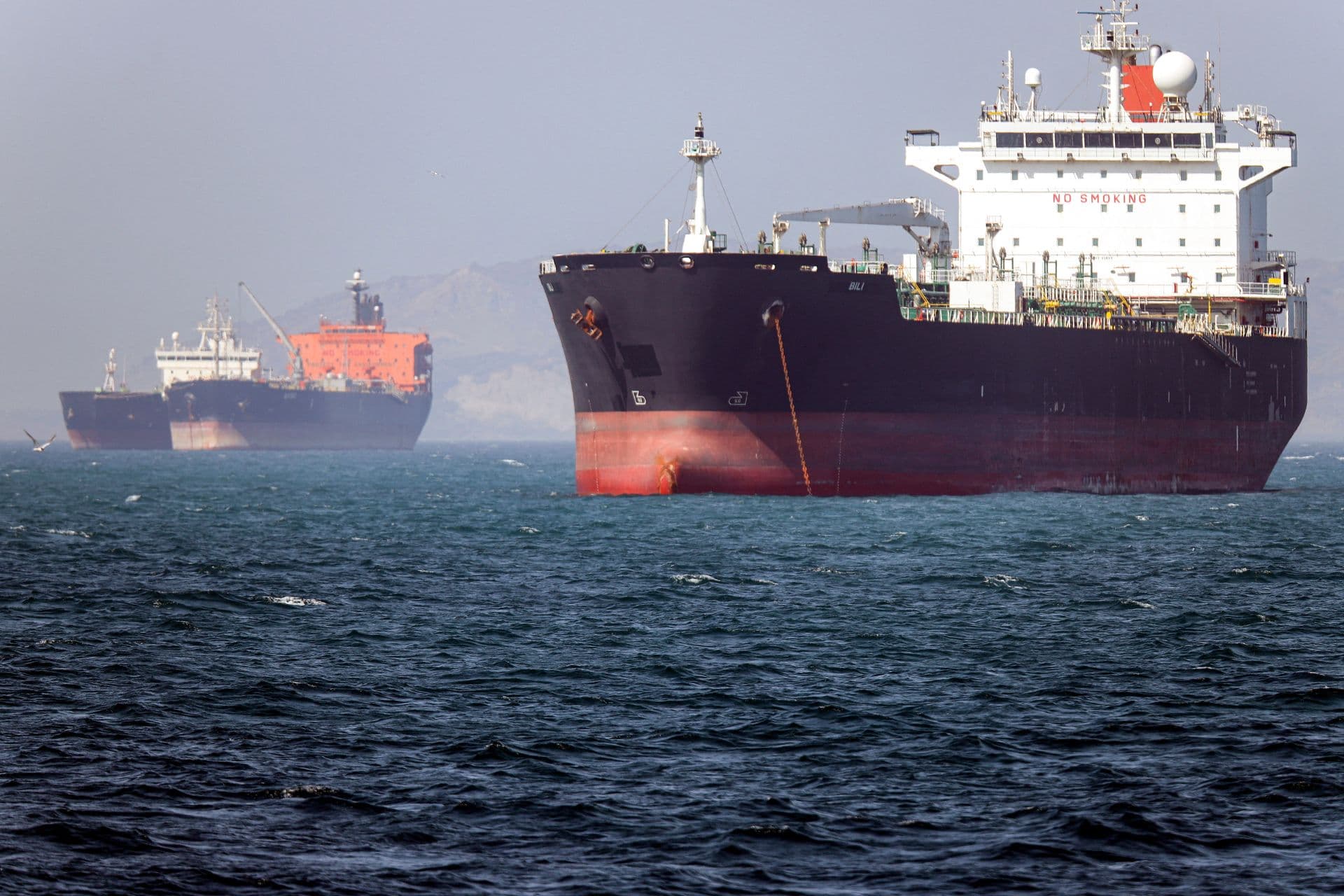
The latest price movement comes as diplomatic efforts remain completely stalled. On Wednesday, Iranian forces reported striking two American vessels, eight oil tankers, and ten additional ships attempting to transit the Strait of Hormuz, over which Tehran claims jurisdictional control.
Iran justified these military actions as self-defense, citing American strikes on Tuesday against five Iranian tankers. Tehran has also announced plans to expand the zone requiring navigational authorization beyond the strategic passage itself.
The UK Maritime Trade Operations (UKMTO) agency confirmed multiple vessels were ablaze at various locations on Wednesday, though casualty figures remain unconfirmed. Thursday morning brought reports from Iran's official Irna news agency of fresh explosions "coming from the sea."
Transit Restrictions and Regional Control
Before hostilities commenced, the strait operated as an open shipping channel. Now Iran requires vessels to obtain advance authorization for passage—a demand rejected by Washington and several regional governments. Iranian Revolutionary Guards claimed Wednesday to have extended control over portions of the Gulf of Oman and the Arabian Sea.
In response to Iran's Hormuz restrictions, U.S. military forces have implemented a blockade on Iranian ports. The result has been severe disruption to shipping traffic through a waterway that previously handled one-fifth of the world's oil and liquefied natural gas.
Conflicting Timelines for Resolution
More than six months into the conflict, President Trump predicted Wednesday that hostilities would cease "immediately after the elections" in early November. He assessed that Iran "cannot hold out much longer" and is "desperately trying to influence the election."
However, at Wednesday evening's Republican convention, Trump avoided providing specific timelines, stating only that price reductions would occur "as soon as we win the war" while maintaining that progress is underway.
Reporting from The Wall Street Journal suggests Trump's closest advisers have cautioned him that the conflict could continue for years, potentially lasting through the end of his term.
Iranian Conditions for Peace
Revolutionary Guards officials previously indicated the conflict could end if Washington ceased threatening Iran and agreed to several demands, including:
- Withdrawal of Israeli military forces from Lebanon
- Unfreezing billions of dollars in Iranian assets
- Non-interference with Iran's nuclear and ballistic missile capabilities
Nuclear Concerns Intensify
The Iranian nuclear program, which has generated tension between Tehran and Western powers for years, remains a focal point. The Center for Strategic and International Studies (CSIS), an American think tank, reported that construction activity has intensified over the past year at Mount Kolang in central Iran, suspected of housing an underground nuclear complex.
On Wednesday, the International Atomic Energy Agency (IAEA) Board of Governors voted to refer the Iranian nuclear file to the UN Security Council due to Tehran's "non-compliance" with its nuclear obligations.
A memorandum of understanding reached in June between Iran and the United States aimed at ending Middle Eastern hostilities collapsed in July, leaving negotiations at a complete impasse.