
Global Economy
UAE Fast‑Tracks New West‑East Oil Pipeline to Secure Export Routes Amid Hormuz Tensions
The United Arab Emirates have ordered a faster delivery of the West‑East oil pipeline, a 360‑km project that will double ADNOC’s export capacity through the Fujairah port. The move comes as Iran’s control of the Strait of Hormuz threatens Gulf oil shipments, and Dubai aims to lift its production ceiling to 5 million barrels per day by 2027.
Listen to this article
Unlock audio versions of premium articles and more with a Pro subscription.
UAE Pushes Forward on New West‑East Pipeline
Abu Dhabi authorities announced on Friday that the United Arab Emirates will speed up the construction of a new oil pipeline to mitigate the growing risk of export disruptions in the Strait of Hormuz. The directive came from Crown Prince Khaled bin Mohamed bin Zayed Al Nahyan, who instructed state‑owned ADNOC to “expedite delivery of the project,” now slated for completion in 2027.
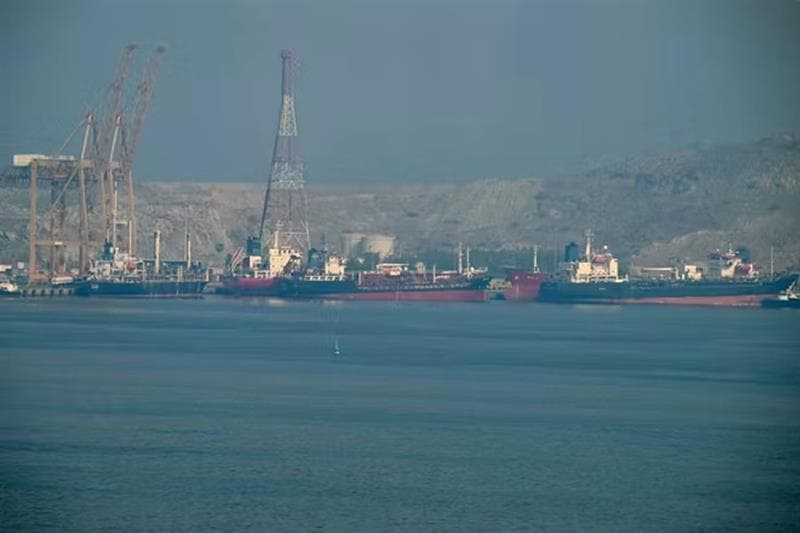
The West‑East pipeline will double ADNOC’s current export capacity through the strategic port of Fujairah on the Gulf of Oman, just south of the Hormuz choke point. Officials say the line is expected to be operational next year, though detailed timelines were not disclosed.
Today, a 360‑kilometre pipeline already links the Habshan oil fields in the western Emirates to Fujairah, handling roughly 1.8 million barrels per day (bpd). The new route will augment this capacity, supporting the UAE’s ambition to raise total oil output to 5 million bpd by 2027—well above the current OPEC ceiling of under 3.5 million bpd.
The acceleration comes amid heightened tensions with Iran, which has targeted Gulf oil infrastructure in retaliation for the U.S.–Israel offensive launched on 28 February. Fujairah’s facilities have suffered multiple attacks, the latest on 4 May injuring three Indian workers.
With the Hormuz strait effectively blocked, Gulf states are re‑shaping logistics and diversifying export routes. The new pipeline underscores the UAE’s strategy to safeguard its hydrocarbon flow and reduce dependence on a single maritime corridor.
- Project name: West‑East pipeline
- Length: 360 km (existing link) plus additional segments
- Current capacity: 1.8 million bpd
- Target capacity: up to 5 million bpd by 2027
- Port of export: Fujairah, Gulf of Oman
While the UAE recently announced its exit from OPEC, it continues to invest heavily in infrastructure to preserve market access and maintain revenue streams despite regional volatility.