
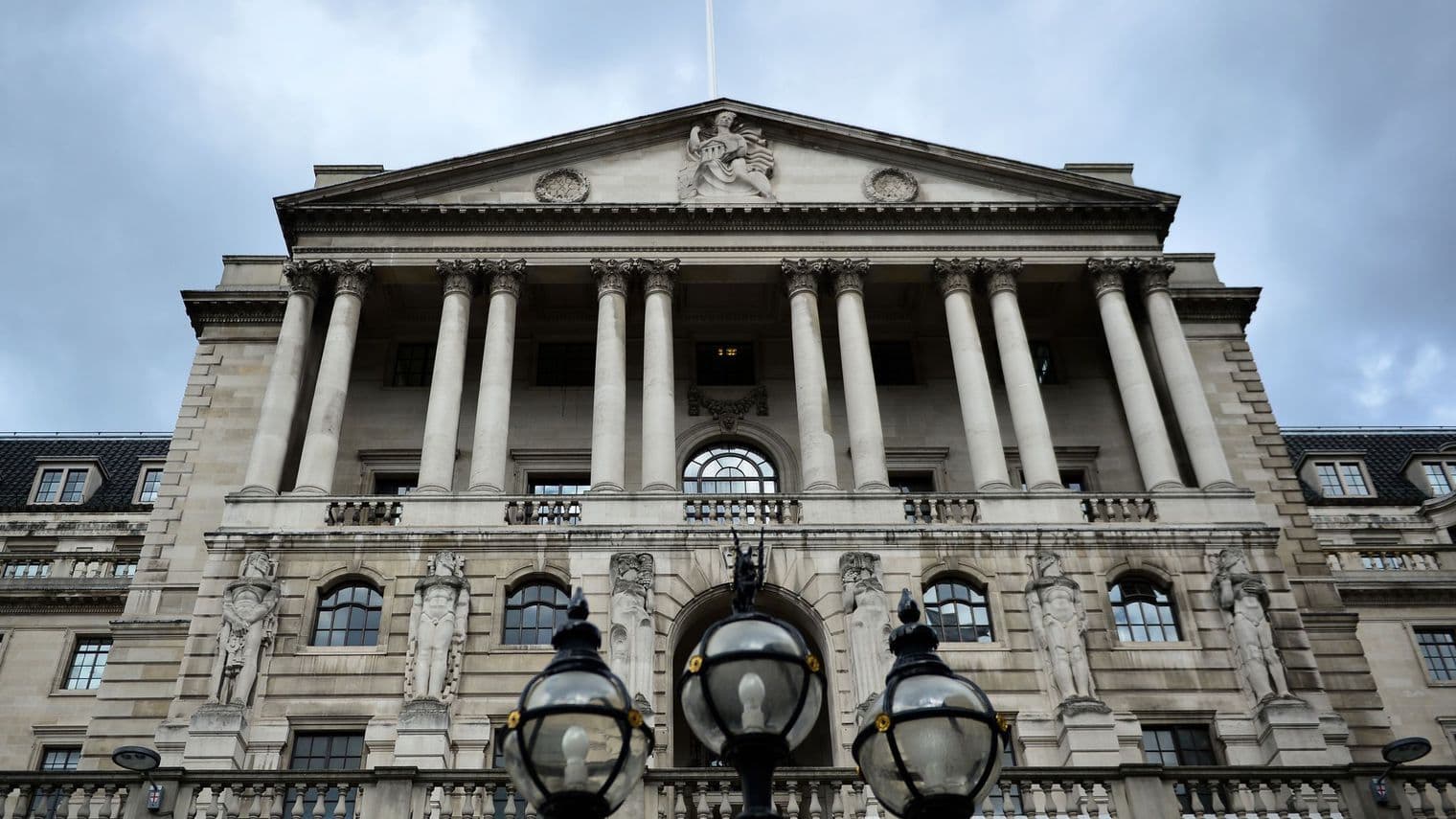
Global Economy
Bank of England Cuts Rate to 3.75% as Inflation Slows, Markets Trim Further Cuts
On Thursday, the Bank of England lowered its Bank Rate by 25 basis points to 3.75%, the lowest level since 2022. The move reflects softer inflation – which fell to 3.2% in November – and growing signs of a weakening UK economy. The decision was split, with five Monetary Policy Committee members voting for the cut and four preferring to keep rates unchanged, prompting markets to downgrade expectations for additional easing.
Listen to this article
Unlock audio versions of premium articles and more with a Pro subscription.
Rate cut and voting split
The Bank of England announced a 25‑basis‑point reduction, bringing the Bank Rate to 3.75%. It marks the first reduction since August and the lowest level since 2022. The Monetary Policy Committee was divided: five members backed the cut, while four argued for a hold, a narrower consensus than markets had expected.
Why the cut now?
Latest data show inflation cooling to 3.2% in November, below the BoE’s 3.4% forecast and the lowest reading in eight months. At the same time, UK GDP contracted for a second consecutive month in October and private‑sector wage growth continues to slow.
Outlook
Governor Andrew Bailey said the bank “still sees a gradual downward trajectory for rates, but each reduction makes it harder to gauge the end point.” The BoE expects inflation to hover around its 2% target by next spring and warns that any further easing will be tightly linked to future inflation developments.
Market participants have therefore trimmed expectations for additional rate cuts in 2025, looking instead to a more measured pace of monetary tightening in 2026.
Key figures:
- Bank Rate: 3.75%
- November inflation: 3.2%
- GDP: contracted for second month
- Monetary Policy Committee vote: 5‑4 in favour of cut