
Stocks Market
Fed Halts Rate Cuts: Keeps Policy Rate Steady Amid Inflation and Political Pressure
The U.S. Federal Reserve voted on Wednesday to hold the federal‑funds target range unchanged, pausing a three‑meeting streak of cuts that began in September 2025. The decision was backed by ten of the twelve voting members, while two Trump‑appointed governors – Stephen Miran and Christopher Waller – dissented, signalling a split over how dovish monetary policy should be. Fed officials highlighted “robust” economic growth and a stabilising unemployment rate at 4.4%, but noted that inflation remains above the 2% goal at 2.8% in November. President Trump is expected to nominate a more accommodative successor to Chairman Jerome Powell, a move that could further test the central bank’s independence.
Listen to this article
Unlock audio versions of premium articles and more with a Pro subscription.
Decision to Hold Rates Steady
The U.S. Federal Reserve announced on Wednesday that it will keep the target range for the federal funds rate unchanged, ending the series of three consecutive cuts that began in September 2025. The move was supported by ten of the twelve voting members, while Governors Stephen Miran and Christopher Waller voted against it.
Why the pause?
In its statement, the Fed said that growth remains “robust” and the labour market is showing signs of stabilisation, with the unemployment rate holding at 4.4% in December. Inflation, however, is still above the 2% target, running at 2.8% in November.
Political undercurrents
Both dissenting governors were appointed by former President Donald Trump. Miran, who entered the Board in September after a swift Senate confirmation, has consistently argued for a less restrictive monetary stance. This time he advocated a modest 25‑basis‑point cut rather than the half‑point reduction that some colleagues favoured. Waller, a former Trump appointee, is also seen as a potential successor to Jerome Powell, whose term ends in May.
Market expectations
Investors had largely priced in a continuation of the 3.50%‑3.75% policy range after three successive cuts at the end of 2025. The Fed’s decision to hold rates steady surprised few, but the split vote underscores growing internal divisions over how aggressively to combat inflation.
Implications for the dollar and Treasury financing
A weaker dollar, compounded by the tariffs imposed during the Trump administration, is increasing the cost of imported goods for American consumers. The Fed’s stance will also affect the financing costs of the U.S. sovereign debt, a key concern for the Treasury.
What’s next?
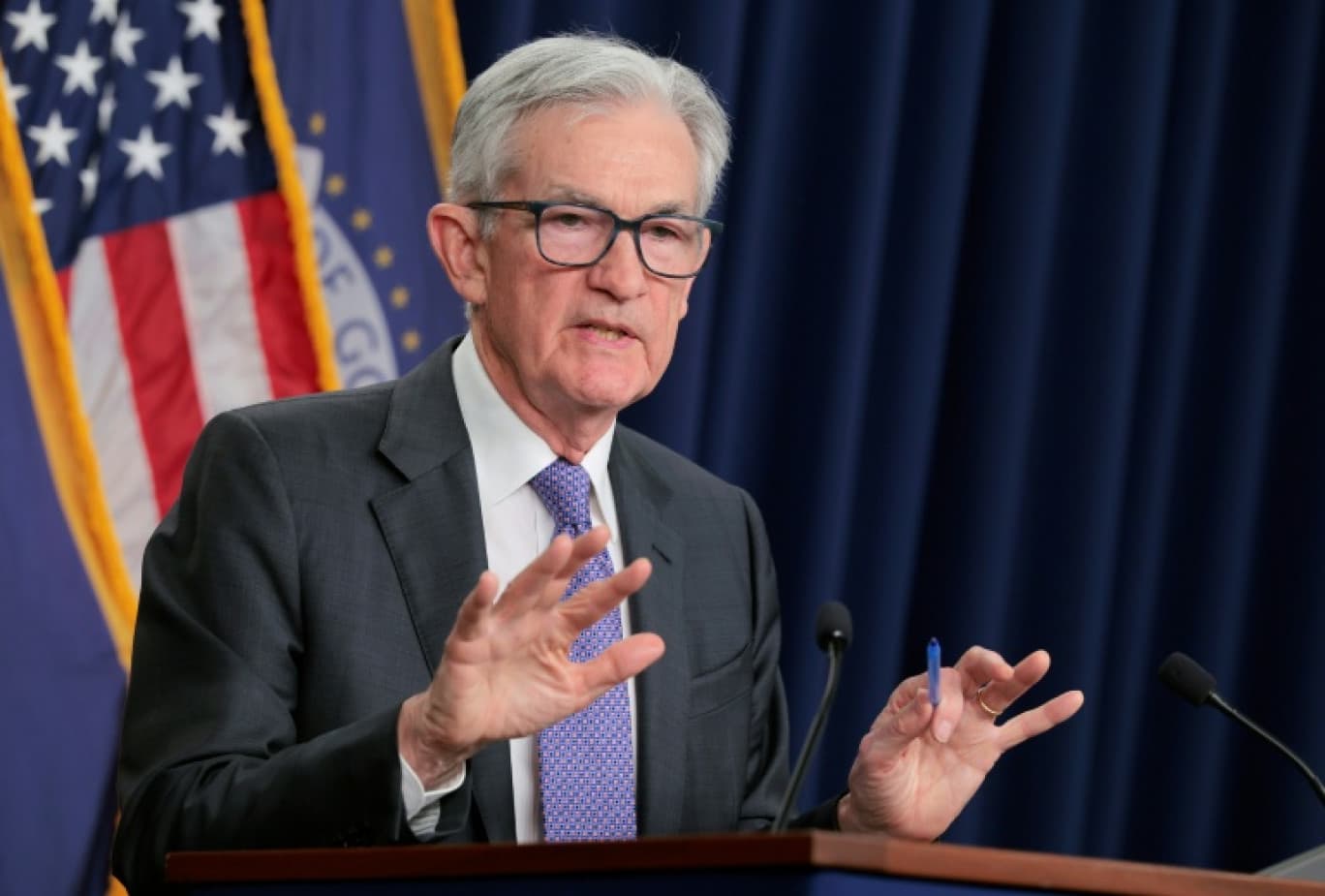
Chairman Jerome Powell will hold his customary press conference at 19:30 GMT on Wednesday. The White House has not disclosed who will be nominated to succeed Powell, but Finance Minister Scott Bessent told CNBC that only the president knows the candidate’s name.
Any new appointment must be confirmed by a Senate controlled by Republicans. Critics of the administration argue that recent attempts to pressure the Fed threaten its independence. Powell, who recently revealed a Justice Department investigation into the cost overruns of the Fed’s Washington headquarters renovation, described the probe as a “pretext” aimed at intimidation.