Global Economy
ONCF Unveils €10B+ Rail Investment Plan: Green Finance & PPPs to Drive Morocco's 2030 Rail Revolution
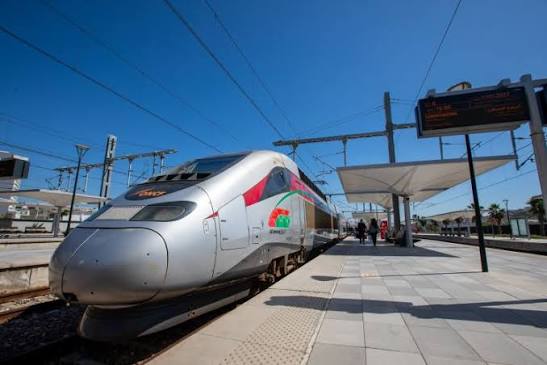
Morocco's national railway operator ONCF is pivoting toward innovative financing mechanisms to fund its ambitious €10+ billion investment program through 2030. At a high-level forum in Rabat, CEO Mohamed Rabie Khlie outlined plans to extend the high-speed TGV line from Tangier to Marrakech (630 km), deploy RER-style commuter services in major cities, and connect the strategic Nador West Med port. To move beyond traditional public funding, ONCF is targeting green bonds, public-private partnerships, carbon market mechanisms, and backing from international institutions like the EU, World Bank, and African Development Bank. A landmark initiative, MoveCredits, launched with the International Union of Railways (UIC), aims to unlock carbon finance for rail projects across Africa.
Listen to this article
Unlock audio versions of premium articles and more with a Pro subscription.
Morocco's Railway Ambition: A €10B+ Transformation
As Morocco approaches the strategic 2030 horizon—marked by major sporting events and economic milestones—the Office National des Chemins de Fer (ONCF) is orchestrating a financial overhaul to underpin its most ambitious investment program to date. The plan, valued at over €10 billion, aims to redefine mobility across the kingdom and position rail as the backbone of a decarbonized transport system.
Flagship Projects Reshaping the Network
- TGV Extension: Extending the high-speed line from Tangier to Marrakech across ~630 km, slashing travel times and linking key economic hubs.
- RER-Style Networks: Deploying regional express services in major agglomerations (Casablanca, Rabat, Tangier) to absorb urban growth and cut congestion.
- Port Connectivity: Linking the Nador West Med port to the national rail grid, boosting logistics competitiveness for Mediterranean trade.
Collectively, these projects target 55+ million annual passengers by 2030, up from current levels.
Breaking the Public-Funding Mold
Speaking at a forum under the High Patronage of King Mohammed VI, ONCF Director General Mohamed Rabie Khlie stressed that traditional state budgets alone cannot shoulder the capital intensity of this transformation. The office is actively structuring a diversified financing stack:
- Green Finance: Issuing green bonds and sustainability-linked loans tied to rail's low-carbon credentials.
- Public-Private Partnerships (PPP): Engaging private capital for design, build, finance, operate, and maintain (DBFOM) models on select segments.
- Carbon Markets: Monetizing avoided emissions through verified methodologies—a novel route for heavy infrastructure.
- Multilateral Backing: Deepening ties with the European Union, World Bank, and African Development Bank (AfDB) for concessional lending and risk-sharing instruments.
MoveCredits: Pioneering Carbon Finance for African Rail
In a landmark move, ONCF and the International Union of Railways (UIC) launched MoveCredits, a platform to standardize carbon methodologies for rail projects, pilot revenue-generating schemes, and crowd-in climate finance. UIC Director General François Davenne noted the complexity of carbon accounting for rail but affirmed its potential to unlock new capital pools. The initiative seeks to build a coalition of railway operators, financiers, technical bodies, and regulators across Africa.
Strategic Implications
This financing pivot signals Morocco's intent to leverage its railway infrastructure as a climate asset—not just a transport utility. Success could create a template for other emerging markets where rail modernization collides with fiscal constraints and net-zero commitments. For investors, the blend of sovereign-backed assets, green labeling, and carbon revenue streams offers a rare risk-return profile in sustainable infrastructure.