
Global Economy
Strait of Hormuz Traffic Edges Up Slightly as Iran-Oman Talks Continue
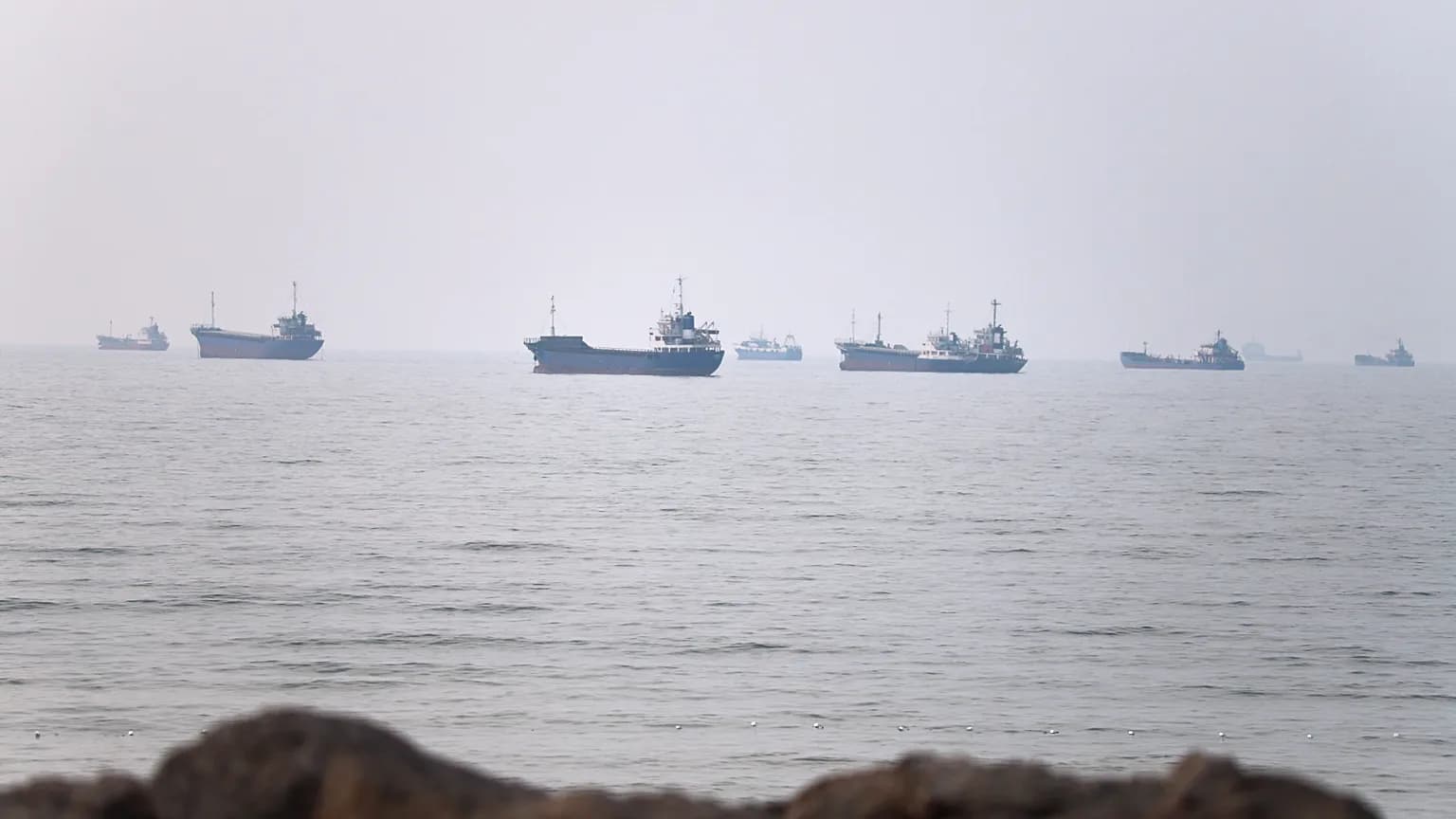
The number of commercial vessels transiting the Strait of Hormuz increased slightly on Wednesday, reaching 10 ships compared to 8 the previous day, though traffic remains dramatically below pre-conflict levels. The uptick comes as Iran and Oman continue delicate negotiations over the regulation of this critical maritime chokepoint for global energy supplies.
Listen to this article
Unlock audio versions of premium articles and more with a Pro subscription.
Modest Recovery in Transit Activity
Commercial shipping traffic through the Strait of Hormuz showed tentative signs of recovery on Wednesday, with the number of transiting vessels climbing to 10 from 8 on Tuesday. Despite the slight increase, activity remains sharply depressed, with the 10-day moving average standing at just 15 vessels per day.
Preliminary data released Thursday by Kpler indicates these figures may be revised upward, as some ships have reportedly deactivated their transponders while navigating the strait, a common security practice in high-risk zones.
A Chokepoint Under Pressure
Before the outbreak of hostilities on February 28, when the United States and Israel launched military operations against Iran, between 130 and 140 vessels transited the strait daily. In normal times, roughly one-fifth of the world's seaborne oil trade passes through this narrow waterway connecting the Persian Gulf to the Arabian Sea.
The dramatic reduction in traffic underscores the profound impact of regional conflict on global energy logistics and maritime trade routes.
Diplomatic Negotiations in Focus
Iran and Oman are still working through the details of an agreement regarding the Strait of Hormuz, according to a senior Iranian source. The official denied earlier suggestions from the Islamic Revolutionary Guard Corps that a deal had already been finalized concerning this strategic maritime corridor.
The negotiations continue amid heightened tensions and ongoing international scrutiny of the strait's security and operational status.
Market Context
The situation at the Strait of Hormuz remains a critical variable for global oil prices and energy security. Any sustained disruption or further reduction in transit volumes could have significant implications for crude oil supply chains and, consequently, for equity markets with heavy energy exposure.