
Stocks Market
Morocco's Treasury Forecasts Funding Need of 13-14 Billion Dirhams for November
Morocco's Treasury Department has announced its projected borrowing requirements for November 2026, estimating financing needs between 13 and 14 billion dirhams through treasury bond auctions. This represents a significant increase from the previous month's forecast of 9 to 9.5 billion dirhams, signaling heightened government financing activity as the year draws to a close.
Listen to this article
Unlock audio versions of premium articles and more with a Pro subscription.
Morocco's Treasury and External Finance Directorate (DTFE) has disclosed its anticipated funding requirements for November 2026, projecting borrowing needs in the range of 13 to 14 billion dirhams through the treasury securities auction market.
This forecast marks a notable uptick from October's estimated financing requirement, which stood between 9 and 9.5 billion dirhams, representing an increase of approximately 40-50% month-over-month.
Official Treasury Communication
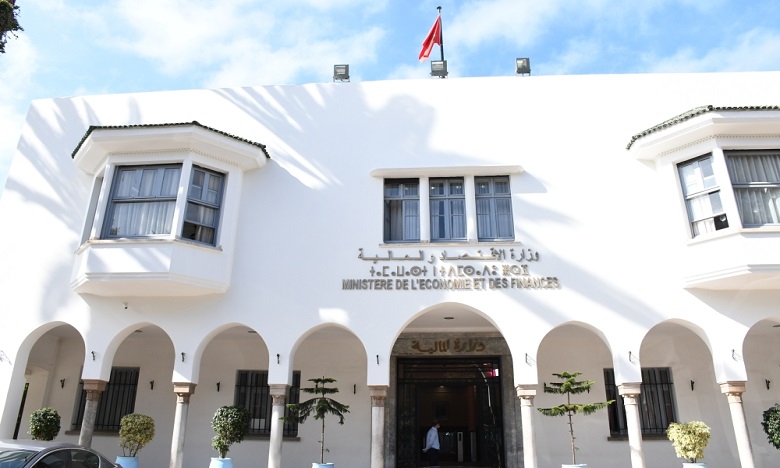
In an official statement released by the Ministry of Economy and Finance, the Treasury Directorate formally notified investors of the planned auction activity: "The Treasury and External Finance Directorate informs investors that recourse to the treasury securities auction market for November 2026 will involve an amount ranging between 13 and 14 billion dirhams."
Context and Market Implications
The increased borrowing appetite comes as Morocco's government manages its fiscal operations heading into the final months of 2026. Treasury bond auctions serve as a critical mechanism for funding budgetary needs and managing cash flow requirements.
Recent auction activity has shown evolving dynamics in Morocco's debt markets. Earlier in November, the Treasury successfully raised 7.07 billion dirhams, with the 5-year rate climbing by 9.2 basis points. Prior auctions in early November saw more modest fundraising of 2.95 billion dirhams amid rising short-term rates.
The announcement provides transparency to financial market participants, allowing banks, institutional investors, and other market actors to prepare for the upcoming auction calendar and adjust their liquidity management strategies accordingly.