Global Economy
Morocco's New Cabinet: Key Appointments, Reshuffles, and Strategic Portfolio Changes Under PM El Mansouri
Morocco's newly formed government under Prime Minister Fatima Ezzahra El Mansouri features a strategic blend of continuity and change. Announced on Friday, October 16, 2026, the cabinet includes retained ministers, returning political figures, and fresh faces in critical economic and social portfolios. Notably, Fouzi Lekjaa assumes leadership of the expanded Economy, Finance, and Public Performance Ministry, while Ahmed Rahhou takes charge of a newly designated Artificial Intelligence and Digital Transformation department. The reshuffle reflects Morocco's priorities in economic modernization, education reform, and technological advancement.
Listen to this article
Unlock audio versions of premium articles and more with a Pro subscription.
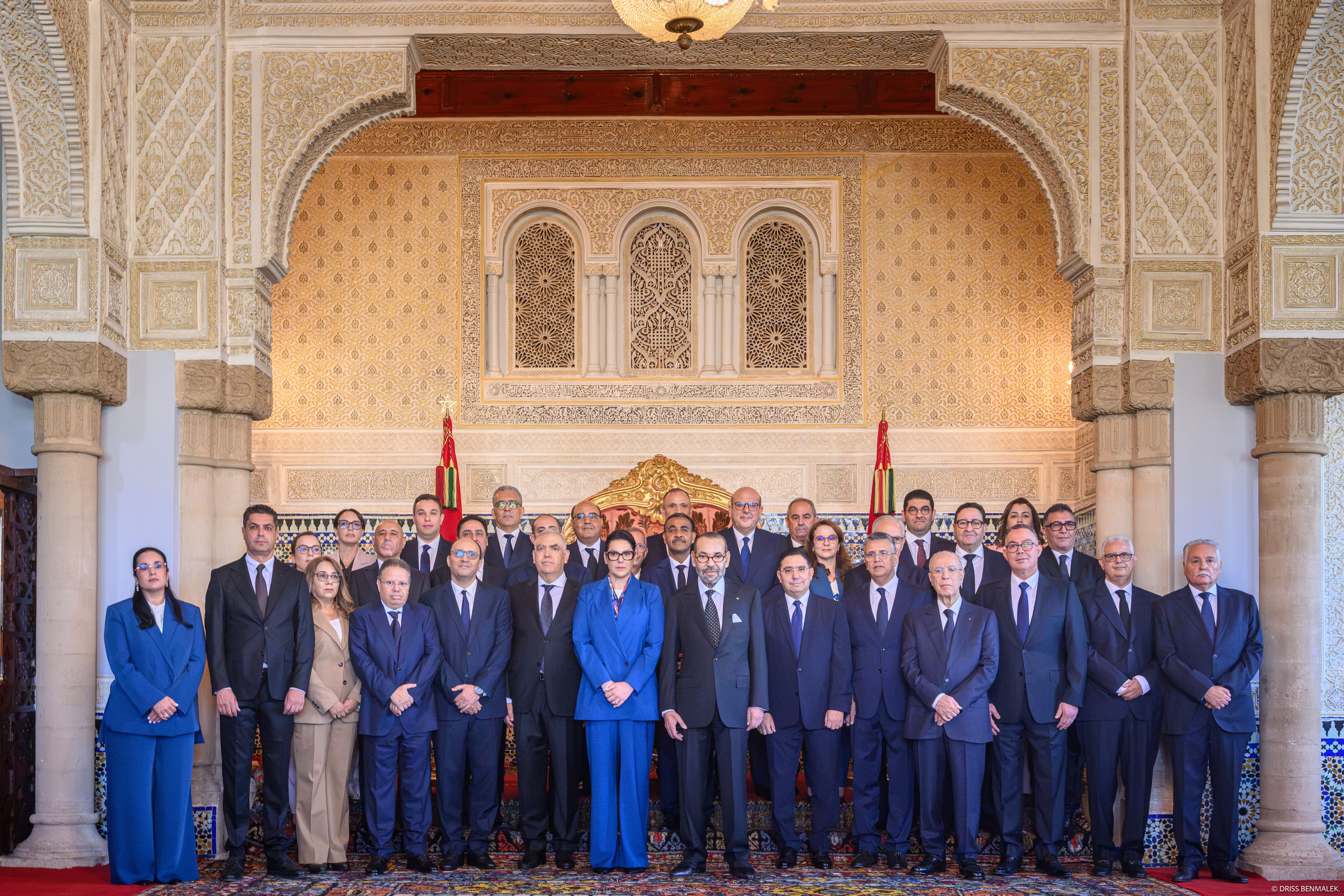
Morocco's government under Prime Minister Fatima Ezzahra El Mansouri has been officially constituted, with the announcement made on Friday, October 16, 2026, at the Royal Palace in Rabat. The new cabinet represents a careful balance between experienced leadership and fresh perspectives, featuring ministers retained from the previous administration alongside notable newcomers and returning political figures.
Major Economic Portfolio Realignment
The most significant shift in economic leadership involves Fouzi Lekjaa, who transitions from his role as delegated minister responsible for the Budget to head the newly expanded Ministry of Economy, Finance, and Public Performance. This appointment marks a broadening of the ministry's mandate, with the addition of public performance to its traditional economic and financial responsibilities. Lekjaa succeeds Nadia Fettah in this pivotal role.
Ryad Mezzour sees his portfolio expand considerably, now overseeing Industry, Commerce, Investment, and Economic Inclusion—a consolidation that signals the government's integrated approach to economic development. Similarly, Nizar Baraka retains Equipment and Water while adding Forests to his responsibilities.
Ministers Maintaining Their Posts
Several key figures continue in their existing roles, providing governmental continuity: Abdelouafi Laftit remains at Interior, Nasser Bourita at Foreign Affairs, Abdellatif Ouahbi at Justice, and Ahmed Toufiq at Habous and Islamic Affairs. Abdeltif Loudyi also continues his administration of National Defense.
Continuity extends to Abdessamad Kayouh in Transport and Logistics, and Azzeddine El Midaoui in Higher Education, Scientific Research, and Innovation. Mohamed Mehdi Bensaid takes on Youth, Culture, and Sports, a reconfigured portfolio from his previous responsibilities that included Communication.
Prominent Returns to Government
Two significant appointments mark the return of experienced ministers. Nabil Benabdallah, who previously led the Housing department, now heads the consolidated Ministry of National Education, Preschool, Professional Training, and Qualification—a strategic merger of educational and vocational training functions. Supporting this expanded mandate are two delegated ministers: Kamal Hachoumi for Preschool and Combating School Dropout, and Madiha Khayr for Professional Training and Qualification.
Charafat Afailal, formerly responsible for Water, returns to lead the Ministry of Energy, Mines, and Sustainable Development, bringing her experience to Morocco's energy transition challenges.
New Faces in Critical Positions
Ahmed Rahhou joins the executive as head of the Ministry of Artificial Intelligence, Digital Transformation, and Administrative Reform. The explicit inclusion of artificial intelligence in the ministry's title reflects Morocco's commitment to technological advancement. Rahhou brings substantial credentials, having served as President of the Competition Council since 2021, previously directing CIH Bank, and representing Morocco to the European Union.
Youns Bjijou assumes responsibility for Health and Social Protection, while Khalid Hatimy takes charge of Agriculture, Maritime Fisheries, and Food Sovereignty. Jalal Charaf arrives to lead Tourism, Handicrafts, and Social Economy, and Abderrahim Chahid takes on Employment and Social Dialogue.
Samir Belfkih assumes leadership of Territorial Development, Urban Planning, Housing, and Urban Policy—the department previously directed by the new Prime Minister herself. He will additionally serve as government spokesperson. Najwa Koukouss is appointed to Family, Social Development, and Equality, while Hassan Tariq becomes Secretary General of the Government.
Elevated Responsibilities for Retained Members
Several officials receive promotions within the new structure. Omar Hejira retains Foreign Trade but is elevated from Secretary of State to Delegated Minister. Abdeljabbar Errachidi similarly advances from Secretary of State to Delegated Minister, though with a domain change—moving from Social Integration to Tourism, where he'll handle Handicrafts and Social Economy.
Other delegated minister appointments include Kouloub Faitah for Relations with Parliament and Civil Society, Ahmed Mehdi Mezouari for Maritime Fisheries, Fatima Saadi for Housing and Urban Policy, Salah-Eddine Abkari for Youth, Rachid Hamouni for Social Inclusion, and Aïcha Guellaa for Administrative Reform.
The new government structure reflects strategic priorities in digital transformation, educational reform, economic integration, and sustainable development, positioning Morocco for the challenges and opportunities ahead.