
Global Economy
Morocco's 2030 World Cup Infrastructure Won't Burden National Debt, Finance Minister Confirms
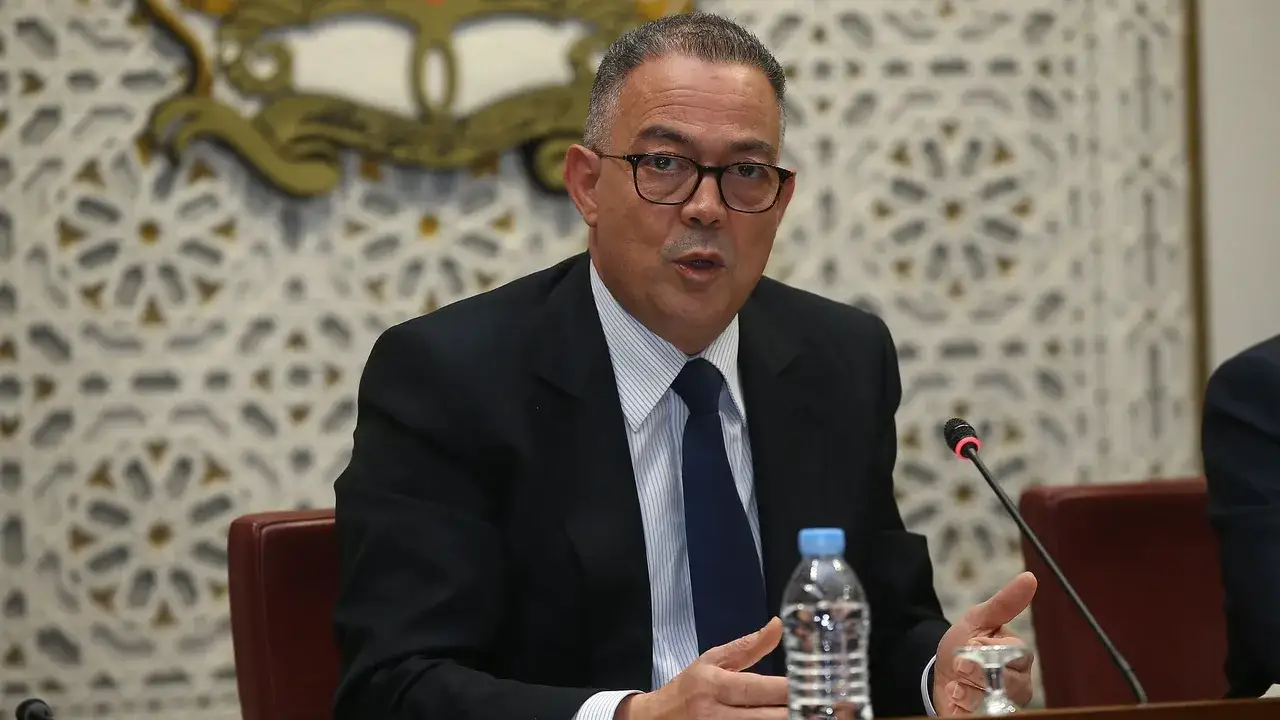
Morocco's Economy Minister Fouzi Lekjaa has addressed concerns about the financial impact of World Cup 2030 preparations, clarifying that massive infrastructure investments will not translate into proportional increases in national debt. Speaking before the parliamentary Finance Commission, Lekjaa explained that projects undertaken by public establishments have independent financing mechanisms distinct from direct state budget obligations, challenging perceptions that link all public infrastructure spending directly to sovereign debt.
Listen to this article
Unlock audio versions of premium articles and more with a Pro subscription.
As Morocco accelerates preparations for the 2030 FIFA World Cup, the country's top economic official has moved to dispel fears that ambitious infrastructure projects will destabilize public finances. Economy and Finance Minister Fouzi Lekjaa presented a detailed defense of the government's investment strategy during a parliamentary session examining the 2027 Finance Bill.
Public Establishments Operate with Independent Financing Models
Addressing the Finance and Economic Development Commission at the House of Representatives on November 3, Lekjaa emphasized a critical distinction that often gets overlooked in public discourse: investments made by state-owned establishments don't automatically equate to direct increases in sovereign debt.
The minister stressed that public entities managing these mega-projects possess their own revenue streams, economic models, and financing mechanisms. These structures allow them to undertake substantial investments without imposing equivalent burdens on the central government budget.
Railway Investments: A Case Study in Long-Term Infrastructure Financing
Lekjaa cited Morocco's National Railway Office (ONCF) as a prime example. The railway authority's investment program totals 104 billion dirhams—a figure that critics have suggested should be added directly to national debt calculations.
The minister challenged this interpretation, revealing that the state's direct contribution to this massive program amounts to just 1.2 billion dirhams. He explained that railway infrastructure follows long-term investment cycles, with new lines requiring several years of operation before generating the revenues needed for cost recovery and debt servicing.
This financing approach, according to Lekjaa, demonstrates how public establishments can mobilize substantial capital without creating proportional liabilities for the Treasury.
Airport Projects Also Follow Alternative Financing Routes
Similar logic applies to aviation infrastructure, the minister argued. He disputed calculations that automatically incorporate investments by the National Airports Office (ONDA) into state debt figures.
To illustrate the complexity of these arrangements, Lekjaa pointed to the Mohammed V Airport, whose land assets are valued at five billion dirhams and integrated into ONDA's balance sheet. This represents a form of public contribution that doesn't involve direct cash transfers from the government.
Sports Facilities Financed Through 20-Year Payment Plans
For World Cup stadiums and sporting venues, the government has adopted a spread-payment mechanism extending over two decades. This structure translates to annual contributions between 700 and 800 million dirhams, including funding for the future Grand Hassan II Stadium in Benslimane.
However, Lekjaa acknowledged that the final price tag for this flagship facility remains undetermined. The complete cost can only be established once all construction contracts have been awarded, he explained.
Risk Assessment Still Matters Despite Financing Structures
Through these clarifications, Lekjaa aimed to counter estimates suggesting that World Cup preparations would dramatically increase national debt. Yet his distinction between public establishment financing and direct budgetary commitments doesn't eliminate financial risks or potential impacts on broader public sector indebtedness.
While these projects may not immediately affect sovereign debt metrics, contingent liabilities and guarantees provided by the state could still materialize as fiscal burdens under certain scenarios.
Parliamentary Questions on Construction Speed Disparities
Beyond financing mechanisms, parliamentary exchanges also focused on project execution timelines. Legislators questioned the stark contrast between infrastructure construction speeds—particularly comparing sports facilities with healthcare establishments.
Deputies highlighted that a stadium can be completed in two years while hospital construction might stretch to twelve years. Lekjaa acknowledged the legitimacy of this concern, stating he shares their questions about the reasons behind such disparities.
Showcasing Moroccan Expertise in Mega-Projects
The minister invited parliamentarians to visit the Grand Hassan II Stadium construction site in Benslimane, emphasizing the mobilization of Moroccan companies and technical expertise. He noted that 106 domestic firms participated in building the Prince Moulay Abdellah Sports Complex in Rabat, demonstrating local capacity for large-scale projects.
Revenue Collection Exceeds Forecasts
On the broader fiscal front, Lekjaa expressed confidence about public finance trajectory. He revealed that tax revenue collection has surpassed initial projections, promising to present detailed figures through October.
The government maintains its commitment to pursuing investments necessary for hosting the 2030 World Cup while preserving the country's financial equilibrium. However, questions persist about execution timelines for other public projects, particularly in social sectors, where delays continue fueling debate about resource allocation priorities.