
Global Economy
Global Markets Tumble as AI Investment Concerns and Oil Surge Shake Investor Confidence
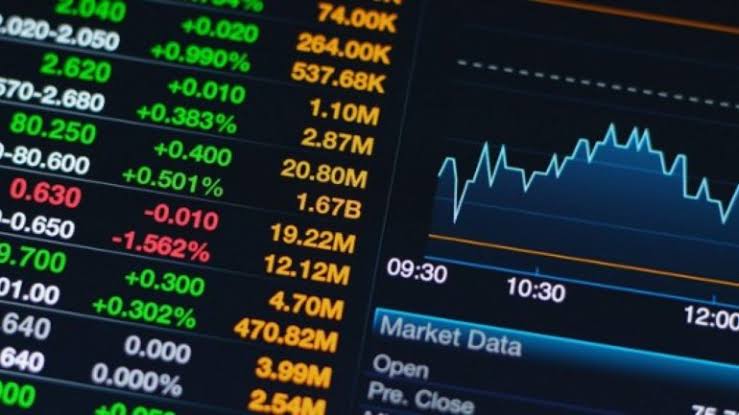
Global equity markets experienced significant losses Thursday, driven by renewed skepticism over artificial intelligence spending and escalating oil prices. European markets fell sharply, with Milan down 2.51% and Paris losing 1.42%, while the tech-heavy Nasdaq plunged 2.60%. Investors are questioning whether massive AI investments by tech giants will generate returns, particularly after Meta announced plans to raise hundreds of billions for AI infrastructure. Meanwhile, oil prices surged above $113 per barrel amid geopolitical tensions in the Middle East, raising inflation concerns and pushing French government bond yields above 5% for the first time since 2002.
Listen to this article
Unlock audio versions of premium articles and more with a Pro subscription.
Global financial markets endured a turbulent Thursday as investor sentiment deteriorated sharply, pressured by mounting doubts about artificial intelligence investments and a dramatic surge in crude oil prices that rattled traders worldwide.
European Markets Under Pressure
European bourses closed deeply in the red, with Italy's Milan exchange suffering the steepest decline at 2.51%. France's CAC 40 fell 1.42%, Germany's DAX retreated 1.04%, and Spain's IBEX dropped 1.98%. London's FTSE 100 showed relative resilience, declining just 0.27%.
Wall Street's Tech Sector Takes a Hit
Across the Atlantic, the technology sector bore the brunt of selling pressure. The Nasdaq Composite, home to major technology companies, tumbled 2.60%, marking its worst single-day performance in weeks. The broader S&P 500 index declined 1.21%, while the blue-chip Dow Jones Industrial Average managed to close essentially flat, gaining a mere 0.02%.
AI Investment Skepticism Deepens
According to analysts at Briefing.com, the artificial intelligence sector is experiencing significant strain due to concerns over massive capital expenditures. Meta Platforms became the poster child for these worries despite reporting third-quarter revenue growth of 26% year-over-year that exceeded analyst expectations.
The social media giant's stock plummeted 6.98% to close at $648.85, as investors fixated on the company's aggressive spending plans rather than its strong revenue performance. Meta disclosed intentions to raise "hundreds of billions of dollars over multiple years" beginning this fall, with capital expenditures expected to reach $135-145 billion this year alone. Most alarmingly for shareholders, the company's free cash flow has turned negative.
"Market participants are increasingly skeptical about the profitability outlook for these colossal investments" by digital giants, summarized Jose Torres, an analyst at Interactive Brokers.
Oil Prices Soar on Geopolitical Tensions
Energy markets added to financial market anxiety as Brent crude, the international benchmark, surged 4.00% to $113.17 per barrel—its highest level since May. "Risk premium is making a strong comeback in the oil market," noted John Kilduff of Again Capital in comments to AFP.
Geopolitical risks intensified after Iran's Revolutionary Guards, the military wing of the Islamic Republic, issued stern warnings to Washington regarding U.S. naval escorts through the strategic Strait of Hormuz, which Tehran claims control over. In a statement on their Sepah News website, the Guards warned that "if this trend continues, the conflict will expand to its bases in the region," calling it "a serious warning."
Additional supply concerns emerged surrounding Saudi Arabia's export capacity, as Yemeni Houthi fighters have escalated unprecedented attacks on the kingdom's civilian and oil infrastructure in recent weeks. On Thursday, staff at the headquarters of Saudi oil giant Aramco were ordered to evacuate following deadly strikes on a nearby airport.
French Debt Under Market Scrutiny
Rising oil prices are "fueling investor fears of higher inflation," according to Ipek Ozkardeskaya of Swissquote Bank, triggering fresh increases in European borrowing costs. French government bonds came under particular pressure, with the 10-year yield climbing to 5.07% from 5.01% the previous day—having already breached the psychologically important 5% level for the first time since 2002 on Wednesday.
In a notable reversal, French debt now yields more than comparable U.S. Treasuries, which stood at 4.96%. Only German bunds benefited from safe-haven flows, with yields declining to 3.33% from 3.42%.
The spread between French and German 10-year bonds—a key metric of investor confidence in French fiscal management—widened dramatically to 1.74 percentage points, the highest since 2011, compared to 1.59 points previously. Investors have grown increasingly concerned about France's budgetary situation, characterized by among the highest debt and deficit levels in Europe, amid heated political debates over the 2027 budget proposal and uncertainties surrounding next year's presidential election.