
Global Economy
Fed Chair Warsh: AI Will Have a 'Significant' Economic Impact — But Stay Vigilant on the Risks
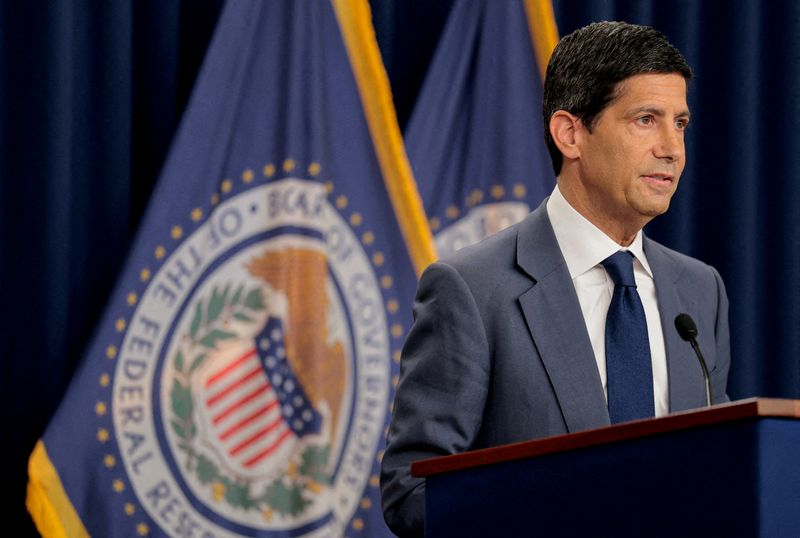
Federal Reserve Chair Kevin Warsh told a Fed conference on artificial intelligence in San Francisco that emerging technologies could significantly reshape the economy, with outcomes ranging from broadly shared productivity gains to rising unemployment. While he described AI as a "superintelligence" capable of driving new ideas, he stressed that the central bank's role is neither to champion nor resist the technology, but to prepare for every scenario.
Listen to this article
Unlock audio versions of premium articles and more with a Pro subscription.
Fed Chair Warsh: AI Set to Have a 'Significant' Impact on the Economy
Federal Reserve Chair Kevin Warsh said emerging technologies would have a significant impact on the economy, with possible outcomes spanning from broad-based growth to rising unemployment and a potential slowdown if expected returns disappoint.
Warsh, who echoed President Donald Trump in describing artificial intelligence as a "superintelligence," argued the technology could stand apart from earlier innovations because it has the power to "stimulate the generation of ideas."
The Optimistic Scenario: Productivity Gains and Shared Prosperity
In the most favorable outcome, the Fed chair said AI could deliver "a rise in productivity and economic benefits that would be widely shared between workers and holders of capital," according to a speech prepared for the Fed's AI conference in San Francisco.
"In that case, real GDP growth would remain persistently above its long-term average, and the United States would stay close to full employment," he said.
The Downside: Job Losses and Malicious Actors
Warsh acknowledged that the risks of AI — including higher unemployment and the involvement of "malicious actors" — could also prove "very disruptive and costly from an economic standpoint."
Preparing for Every Scenario
"Our job is to be ready for whatever might happen," he said, referring to the Fed's gathering with a panel of experts aimed at studying the technology's implications for the economy and monetary policy.
- Recognizing that widespread AI adoption will have a significant economic impact
- Understanding the implications for future monetary policy
- Preparing for both the upside of productivity gains and the downside of disruption
"Our role in all of this is neither to defend nor to oppose this technology. Our responsibility is to recognize that its widespread adoption will have a significant impact on the economy, with important implications for monetary policy going forward," Warsh concluded.