
Global Economy
Iran Sets Tough Conditions for Reopening Hormuz Strait, Demands US Concessions
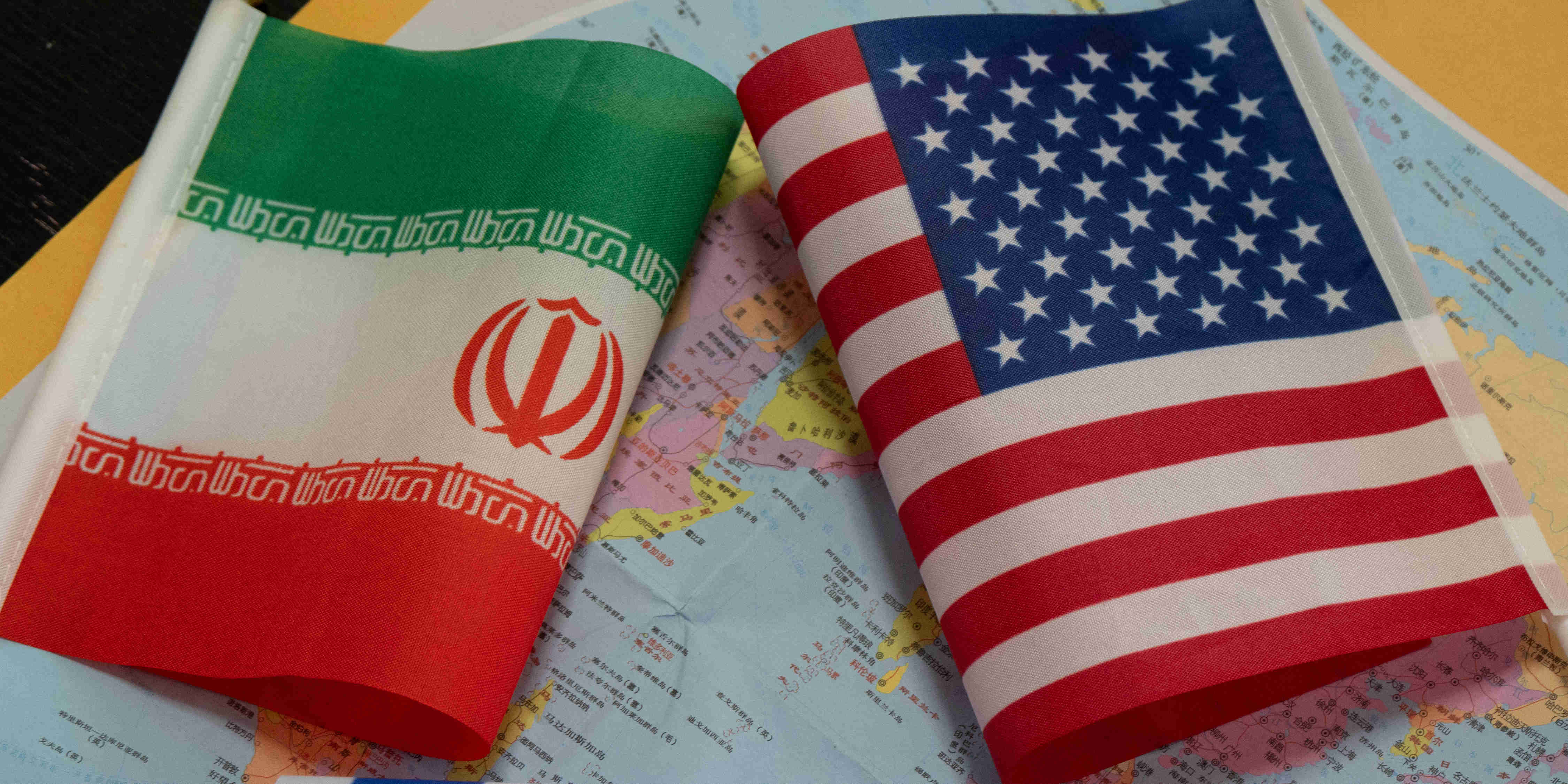
Iran is using the blockage of the Hormuz Strait as leverage to extract political and economic concessions from the United States. While a technical agreement with Oman on new navigation lanes is nearing completion, Tehran insists the strait will remain closed until Washington satisfies a list of demands that includes compensation for past attacks, a halt to US military threats, removal of sanctions and the release of frozen Iranian assets. The stalemate keeps oil supplies tight, sustaining upward pressure on global energy prices.
Listen to this article
Unlock audio versions of premium articles and more with a Pro subscription.
Background
Iran is leveraging the Hormuz Strait blockage to extract political and economic concessions from Washington. While Tehran and Oman are close to finalising a technical agreement that would define new navigation lanes, Tehran insists the waterway will stay closed until the United States meets a list of demands.
Iran’s key demands
- Payment of compensation for damages caused by previous US‑led attacks on Iranian facilities.
- End of all US military threats and aggression against Iran and its regional allies in Lebanon, Palestine, Yemen and Iraq.
- Removal of US‑imposed economic sanctions and the naval blockade affecting Iranian ports and the Gulf.
- Unfreezing of Iranian assets held abroad.
US position
A senior US official has indicated that any easing of the naval blockade will be linked to Tehran’s concrete implementation of its commitments, underscoring the fragile nature of the indirect talks mediated through third‑party intermediaries.
Market implications
The continued closure of one of the world’s most important oil transit points sustains upward pressure on global oil prices and adds to inflationary risks. With no clear timeline for a resolution, the situation remains bearish for energy‑related equities and commodities.