
Global Economy
Ukraine Crisis Escalation Sends Shockwaves Through Energy and Financial Markets
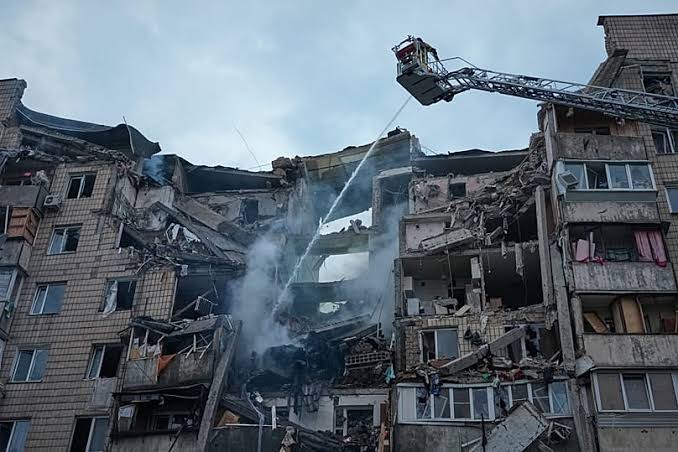
Intensified overnight strikes targeting critical infrastructure and residential areas in Ukraine have exacerbated macroeconomic instability across Europe, reigniting volatility in commodity and equity markets. Energy prices are surging as investors price in supply disruption risks ahead of winter, while equity markets see a sharp risk-off rotation away from energy-intensive and cyclical sectors toward defensive and defense stocks. With diplomatic efforts uncertain, financial operators are adopting a defensive posture, prioritizing liquidity and selectivity.
Listen to this article
Unlock audio versions of premium articles and more with a Pro subscription.
Geopolitical Tensions Drive Market Volatility
The sharp escalation in Russian missile and drone strikes across Ukraine overnight has sent fresh shockwaves through global financial markets. The attacks, which targeted energy infrastructure, logistics hubs, and civilian areas, mark a significant intensification of the conflict just as Europe heads into the critical winter heating season.
Energy Markets Under Pressure
Oil and natural gas prices jumped sharply in early trading as traders priced in a higher geopolitical risk premium. The Brent crude benchmark rose above $85 per barrel, while European gas futures (TTF) surged over 12% amid fears of further damage to transit routes and storage facilities. Analysts warn that sustained disruption could tighten global inventories, complicating central banks' efforts to tame inflation.
- Brent crude: +3.2% to $86.40/bbl
- TTF natural gas: +12.5% to €48.50/MWh
- European power forwards: +8-10% across Q1 2027 contracts
Equities: Risk-Off Rotation Accelerates
European equity indices opened sharply lower, with the Stoxx 600 down 1.8% in morning trade. The selloff was concentrated in energy-intensive industries—chemicals, steel, autos—and cyclical sectors such as travel and construction, which face margin compression from higher input costs. Conversely, defense contractors, utilities with regulated returns, and consumer staples outperformed as capital sought shelter.
Defensive Positioning Dominates
With key diplomatic summits looming and no clear path to de-escalation, market participants are reducing leverage and increasing cash buffers. "The market is pricing in a prolonged period of uncertainty," said a senior strategist at a major European bank. "Selectivity and liquidity preservation are the watchwords until we see concrete progress on the diplomatic front."