
Global Economy
US-Iran Tensions Escalate: Trump Threatens Heavy Strikes as Hostilities Resume in Gulf
Military confrontations between the United States and Iran have intensified after a month-long lull, with President Trump warning of severe retaliation following renewed attacks. US forces struck Iranian rocket launchers in the strategic Strait of Hormuz, prompting Iranian counterattacks on American targets in Jordan and the UAE. The escalation has rattled global oil markets, pushing Brent crude above $90 per barrel as the seven-month conflict shows no signs of resolution despite ongoing diplomatic efforts.
Listen to this article
Unlock audio versions of premium articles and more with a Pro subscription.
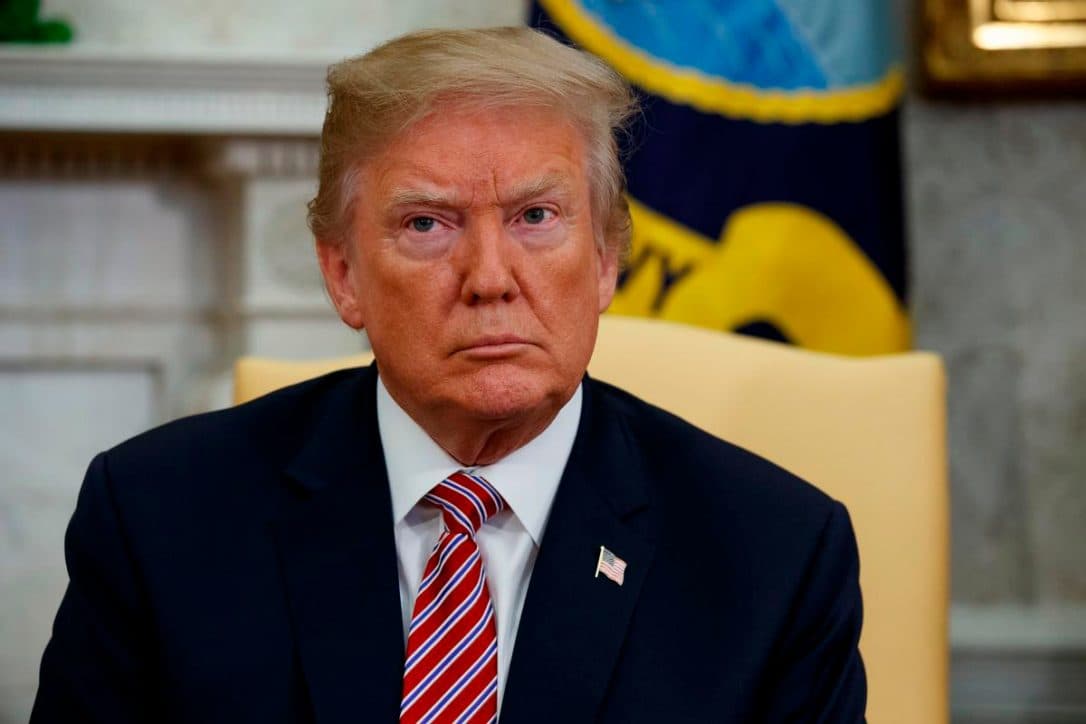
After a relative period of calm focused on economic warfare, military tensions between Washington and Tehran have reignited with concerning intensity. President Donald Trump issued stark warnings Monday that the United States would "strike hard" against Iran following a new round of military exchanges in the Persian Gulf region.
Military Operations Resume in Strategic Waters
In the first significant military action since late July, US forces conducted airstrikes targeting two Iranian rocket launchers positioned on Larak Island, a strategic location within the Strait of Hormuz. This vital maritime passage has become the epicenter of the ongoing conflict between the two nations.
The Pentagon's Central Command (CENTCOM) justified the operation by stating that Iran's Revolutionary Guards were observed preparing to deploy rocket-launched naval mines into the strait. Iranian state media reported three fatalities and seven injuries resulting from the American strikes.
Iranian Retaliation and Regional Fallout
Tehran's response was swift and multifaceted. Iranian forces launched missile and drone attacks against American military positions in Jordan and the United Arab Emirates. Jordan reported intercepting eight missiles that entered its airspace, while the UAE detected an unauthorized drone over its territorial waters, condemning what it called a "dangerous escalation."
Despite the military action, Iranian President Massoud Pezeshkian emphasized that continued warfare serves neither Tehran's interests nor regional stability. Speaking at the Shanghai Cooperation Organisation summit in Kyrgyzstan, where he met with Pakistani Prime Minister Shehbaz Sharif—whose country is attempting to mediate—Pezeshkian stated his government remains committed to finding a diplomatic resolution.
Oil Markets React to Heightened Tensions
Global energy markets responded immediately to the escalation. Brent crude, the international benchmark, surged past the psychologically significant $90-per-barrel threshold. The price spike reflects growing concerns about supply disruptions from a region that previously handled one-fifth of the world's hydrocarbon traffic.
The Strait of Hormuz remains largely blocked by Iranian forces, a situation that has persisted since the conflict began on February 28 with a joint Israeli-American attack on Iran. This maritime chokepoint blockade has fundamentally disrupted global oil shipping patterns.
Washington's Dual Strategy: Military and Economic Pressure
President Trump's administration has pursued a two-pronged approach combining military readiness with economic sanctions. Treasury Secretary Scott Bessent, speaking during G20 finance meetings, emphasized that Washington would "continue applying pressure" on Tehran through economic measures.
The US maintains a naval blockade of Iranian ports while asserting its commitment to "protect free commercial navigation." CENTCOM claims to have completed demining operations in international shipping lanes, though Iran's Revolutionary Guards disputed this, alleging that a "rogue supertanker" struck two naval mines during an illegal transit attempt—a claim CENTCOM dismissed as disinformation.
Diplomatic Stalemate Deepens
Peace negotiations remain deadlocked following the collapse of a mid-June framework agreement. Iranian Foreign Minister Abbas Araghchi maintains that the solution is straightforward: "The United States must honor its commitments and adhere to what was signed. Then everything will return to normal."
The Revolutionary Guards issued warnings to regional neighbors against allowing their territories to be used for American operations, threatening "much stronger retaliation" if further aggression originates from allied nations.
Additionally, Iranian forces claimed to have shot down two American drones over the Strait of Hormuz, while the UK Maritime Trade Operations agency reported that a tanker was struck by three "unknown projectiles" while transiting the strait.
Political Pressures Mount
As the conflict enters its seventh month with no resolution in sight, the Trump administration faces mounting domestic political pressure ahead of midterm elections. The unpopular war has become a significant political liability, intensifying the administration's focus on economic warfare over direct military engagement.
The international community watches nervously as two major powers remain locked in a confrontation that threatens global energy security and regional stability, with diplomatic solutions seemingly as distant as ever.