
Stocks Market
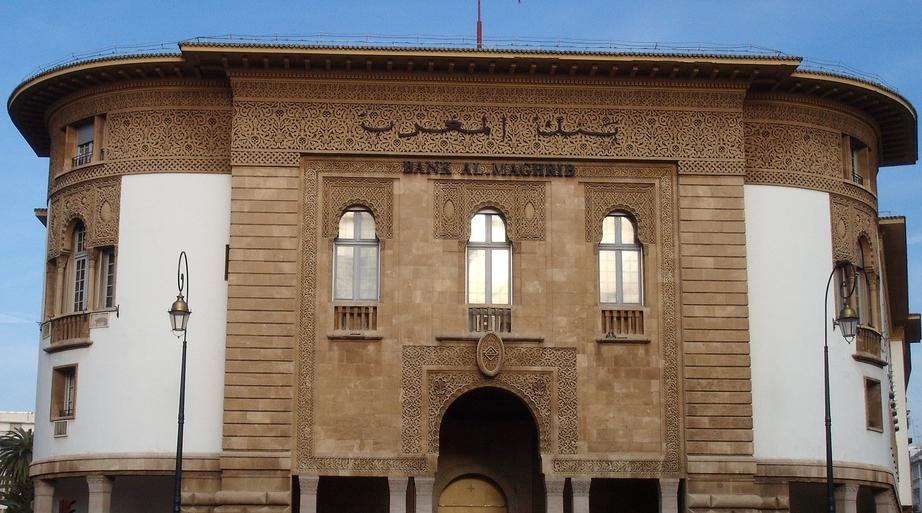
Bank Al-Maghrib Ramps Up Monetary Interventions as Lending Rates Decline in Morocco
Morocco's central bank has increased its monetary market interventions during the week of October 29 to November 4, 2026, with daily operations reaching MAD 149.3 billion. This uptick comes as lending rates across the banking sector continue their downward trajectory, with the overall debtor rate falling to 4.57% in Q3 2026. The interbank rate held steady at 2.25%, while Treasury bond auctions showed strong investor preference for short-term instruments amid a gradually easing monetary environment.
Listen to this article
Unlock audio versions of premium articles and more with a Pro subscription.
Morocco's central banking landscape showed notable shifts during the final week of October 2026, with Bank Al-Maghrib (BAM) stepping up its monetary operations while borrowing costs across the economy continued their decline.
Central Bank Interventions Climb Higher
Between October 29 and November 4, 2026, Bank Al-Maghrib's daily average interventions in the money market reached MAD 149.3 billion, marking an increase from the previous week's MAD 146.8 billion. The primary driver behind this expansion was the growth in seven-day advances, which climbed from MAD 50.6 billion to MAD 53 billion.
During the November 4 tender operation, the central bank injected MAD 51.3 billion through these short-term advances, underscoring its active role in maintaining adequate liquidity levels within the financial system.
Interbank Market Remains Steady
The interbank market demonstrated remarkable stability during this period, with the average rate holding firm at 2.25%. Daily trading volumes showed marginal movement, averaging MAD 2.88 billion compared to MAD 2.87 billion in the preceding week—a sign of consistent market activity without significant volatility.
Treasury Auctions Favor Short-Term Paper
On November 3, Morocco's Treasury conducted a bond auction that revealed clear investor preferences. Of the MAD 5 billion offered, only MAD 2.95 billion was accepted, with demand concentrated exclusively on short-maturity instruments.
Investors showed appetite solely for 13-week and 52-week Treasury bills, which were priced at yields of 2.19% and 2.41% respectively. The Treasury retained MAD 1.4 billion for the 13-week bills and MAD 1.55 billion for the 52-week notes, reflecting the market's current bias toward shorter durations.
Lending Rates Continue Downward Trajectory
The third quarter of 2026 brought welcome relief for borrowers across Morocco, with Bank Al-Maghrib data revealing a meaningful decline in lending costs. The overall average debtor rate fell to 4.57%, representing a 24-basis-point decrease from the previous quarter.
This easing affected both corporate and individual borrowers. Corporate lending rates dropped to 4.47%, while retail lending rates settled at 5.56%. However, a financing gap persists: small and medium enterprises continue to face higher borrowing costs at 5.10%, compared to 4.31% for large corporations—a 79-basis-point differential that highlights ongoing credit access challenges for smaller businesses.
What It Means for Morocco's Financial Landscape
These developments paint a picture of a financial environment characterized by three key features:
- Stable interbank conditions with rates anchored at 2.25%
- Sustained central bank support through elevated liquidity injections
- Gradually declining borrowing costs for businesses and consumers
The combination of central bank vigilance and easing credit conditions suggests Morocco's monetary authorities are successfully navigating the balance between maintaining financial stability and supporting economic activity through the final quarter of 2026.