
Stocks Market
Morocco's 2026-2031 Government Roadmap: Social Aid Doubled, Pensions Raised, SMEs Get 30% Public Procurement Quota
Prime Minister Fatima Ezzahra El Mansouri unveiled a sweeping five-year government program targeting 5% average annual growth through 2031. Key pillars include doubling direct social aid to 1,000 DH, raising minimum pensions to 3,000 DH/month, and mandating that 30% of public contracts go to Moroccan SMEs. The plan also outlines progressive income tax reform, a national youth employment scheme targeting 100,000 trainees annually, massive desalination investments, and a tourism goal of 26 million visitors by 2030. Fiscal discipline remains central, with the budget deficit capped at 3% of GDP and public debt targeted at 62% of GDP by 2031.
Listen to this article
Unlock audio versions of premium articles and more with a Pro subscription.
Comprehensive Five-Year Plan Unveiled Before Parliament
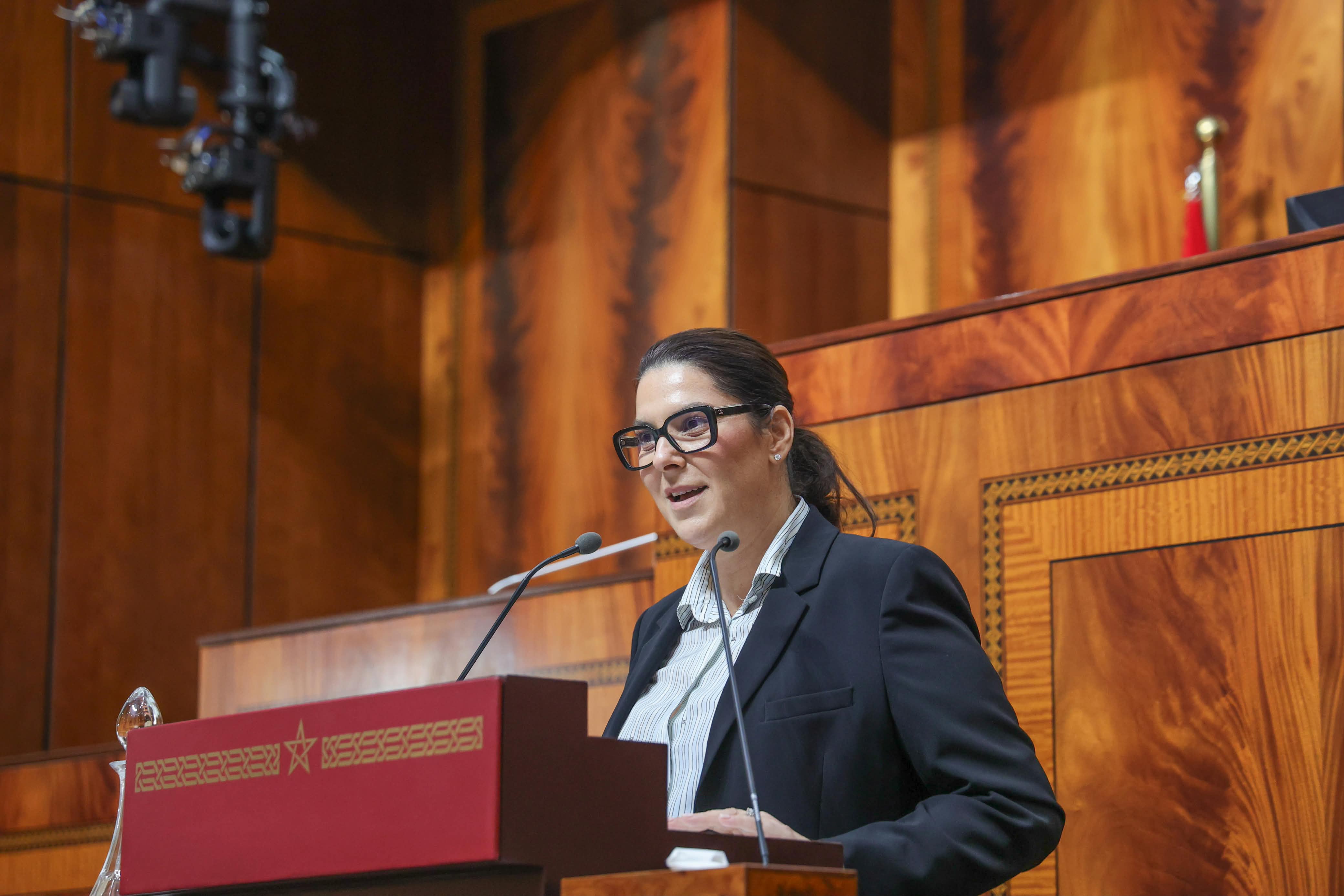
On Monday, October 19, 2026, Prime Minister Fatima Ezzahra El Mansouri addressed both chambers of Morocco's Parliament to present the government's legislative program for 2026–2031. The roadmap balances social protection expansion, private-sector empowerment, and macroeconomic stability, targeting an average 5% GDP growth rate between 2027 and 2031 while containing the budget deficit around 3% of GDP.
Boosting Household Purchasing Power
- Direct social aid will rise from 500 DH to 1,000 DH by the end of the legislature, with eligibility based on actual household income.
- Automatic electricity bill compensation for eligible primary residences where monthly bills do not exceed 100 DH — no paperwork or administrative visits required.
- Progressive personal income tax (IR) reform aimed at increasing net disposable income and incentivizing formal employment; detailed brackets and timeline to follow.
- Food price stabilization through restructured meat and fish distribution channels, regional professional collection and marketing platforms, and stable export-vs-domestic-supply rules.
Pension System Overhaul
- Minimum pension floor gradually raised to 3,000 DH/month across all regimes.
- Survivor benefits for widows increased to 100% of the deceased spouse's primary pension (up from 50%), while preserving orphans' and other dependents' rights.
- A comprehensive, consensual reform will harmonize rights and obligations across regimes, extend coverage to those without pensions, and protect acquired rights during transition — backed by phased financing.
Empowering SMEs and Private Investment
- Mandatory 30% subcontracting quota for Moroccan SMEs on public contracts, enforced by law.
- Enhanced market regulation and anti-collusion investigations in tender processes, coordinated with the Competition Council.
- Target: private sector to contribute two-thirds of national investment.
- Accelerated rollout of contracted projects, reform of Regional Investment Centers (CRIs), and improved SME access to financing and guarantees.
Financial Sector Mobilization
The banking and non-banking financial sector is called upon to expand credit for productive investment, mega-projects, innovation, industrialization, and exports. The program also aims to mobilize national savings — especially institutional — and deepen capital markets.
Youth Employment and Entrepreneurship
- National program launching in 2027: 100,000 young people trained annually aligned with enterprise needs.
- ~100,000 first professional experiences created per year.
- Apprenticeship capacity scaled to 150,000–200,000 beneficiaries annually.
- 60,000 companies supported via incubation, facilitated financing, guarantees, and market access.
- Professional mobility passport with adapted rental housing for workers relocating for jobs.
Housing and Rural Development
- Continued support for home ownership alongside a new national rental housing supply.
- Targeted solutions for civil servants in hard-to-recruit sectors.
- Rural goal: 100,000 homes built or rehabilitated during the mandate, focused on emerging centers.
- Eligible rural households receive 40,000 DH direct aid plus free technical assistance.
- New rural urban planning law to simplify construction permits and regularize existing buildings (safety and third-party rights conditions apply).
Water Security and Tourism
- 1.8 billion m³/year from desalination by 2031, complemented by new dams and inter-basin transfers where needed.
- New 2027–2030 tourism roadmap targeting 26 million visitors by 2030.
Regional Empowerment and Fiscal Framework
- Financial transfers to regions raised to at least 12 billion DH from 2027.
- Generalized State-Region program contracts tied to employment, investment, and territorial disparity reduction targets.
Macroeconomic Targets (2027–2031)
- Average real GDP growth: 5%
- Inflation: ~2%
- Budget deficit: ~3% of GDP
- Public debt: ~62% of GDP by 2031
Financing levers include broadening the tax base, improving spending efficiency, growth-generated revenues, and accelerated restructuring of public establishments and enterprises to boost their contribution.