
Stocks Market
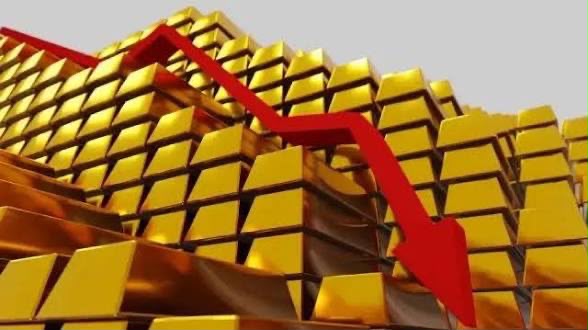
Gold Plunges Below $4,000 as Rising Rate Expectations and Oil Surge Pressure Precious Metals
Gold prices have tumbled below the psychologically important $4,000 per ounce threshold, marking the lowest level since mid-July and heading toward a weekly decline of nearly 4%. The precious metal faces mounting pressure from resurgent inflation concerns driven by soaring oil prices and expectations that the Federal Reserve will maintain elevated interest rates for an extended period. With Brent crude hitting four-year highs following Houthi attacks in Saudi Arabia, and U.S. inflation data coming in hotter than expected, investors are repositioning away from non-yielding assets like gold.
Listen to this article
Unlock audio versions of premium articles and more with a Pro subscription.
The precious metals market is experiencing significant turbulence as gold prices fell below the crucial $4,000 per ounce mark on Friday, reaching their lowest point since mid-July. This decline represents a nearly 4% weekly loss for the yellow metal, driven by a confluence of factors including surging energy costs and changing expectations about Federal Reserve monetary policy.
Oil Shock Reignites Inflation Fears
A primary catalyst behind gold's weakness has been the dramatic spike in crude oil prices. Brent crude has soared to a four-year peak following attacks by Houthi forces on Saudi Arabian energy infrastructure, raising fresh concerns about supply disruptions in global energy markets. This oil price surge comes at a particularly sensitive time, as it threatens to derail progress made on controlling inflation.
The energy price shock has already manifested in recent U.S. economic data, with both consumer and producer price indices accelerating beyond forecasts. Much of this inflation acceleration can be attributed directly to higher energy costs, which ripple through the entire economy affecting transportation, manufacturing, and household budgets.
Higher-for-Longer Rate Outlook Weighs on Gold
These inflationary developments are reinforcing market expectations that the Federal Reserve will need to maintain restrictive monetary policy for an extended period. Unlike bonds or dividend-paying stocks, gold generates no income or yield, making it less attractive when interest rates remain elevated. Investors holding cash or fixed-income securities can earn substantial returns in a high-rate environment, reducing the opportunity cost argument for holding gold.
The shift in rate expectations is clearly visible in market pricing. According to the CME FedWatch tool, traders are assigning only a 10% probability to a rate increase at the Federal Reserve's upcoming meeting scheduled for October 27-28. However, the likelihood of a rate hike in December has climbed to approximately 80%, signaling that markets believe the central bank's tightening cycle may not be over.
All Eyes on PCE Inflation Data
Market participants are now focusing intently on the upcoming release of the Personal Consumption Expenditures (PCE) price index on October 29. This inflation metric is the Federal Reserve's preferred gauge for assessing price pressures and measuring progress toward its 2% inflation target. The PCE data will provide critical insights into whether inflation is becoming more entrenched or if recent upticks represent temporary factors.
Any indication that core inflation remains stubbornly elevated could cement expectations for continued Fed hawkishness, potentially sending gold prices even lower. Conversely, softer-than-expected readings might provide some relief for the beleaguered precious metal.
Technical Outlook and Market Positioning
From a technical perspective, gold's breach of the $4,000 level is significant as it represents both a psychological and technical support zone. The 4% weekly decline suggests momentum remains firmly to the downside, with traders potentially looking at lower support levels around $3,850-$3,900 per ounce if selling pressure continues.
The combination of rising real yields, a stronger dollar, and reduced safe-haven demand has created a challenging environment for gold bulls. Unless inflation data surprises significantly to the downside or geopolitical tensions escalate further, the path of least resistance for gold appears to be lower in the near term.