
Stocks Market
Bank Al-Maghrib Slashes Card Interchange Fee Cap to 0.5% to Boost Digital Payments
Morocco's central bank, Bank Al-Maghrib, has lowered the maximum interchange fee on domestic bank card transactions from 0.65% to 0.5%, effective October 1, 2026. A special 0.15% cap applies to neighborhood merchants and government payments. The move aims to reduce costs for merchants, encourage wider card acceptance, and accelerate the country's shift toward cashless transactions, benefiting both businesses and consumers.
Listen to this article
Unlock audio versions of premium articles and more with a Pro subscription.
Central Bank Cuts Interchange Fee Cap to Spur Digital Payment Adoption
In a decisive move to modernize Morocco's payment ecosystem, Bank Al-Maghrib (BAM) has announced a reduction in the maximum interchange fee charged on domestic bank card transactions. Effective October 1, 2026, the cap drops from 0.65% to 0.5%, with an even lower 0.15% ceiling for neighborhood retailers and government payments.
Phased Regulatory Approach
This marks the second regulatory intervention in two years. Before October 2024, no cap existed on these fees. BAM first introduced a 0.65% limit, and now tightens it further as part of a broader strategy to make electronic payments more accessible and affordable across the kingdom.
How the Fee Structure Works
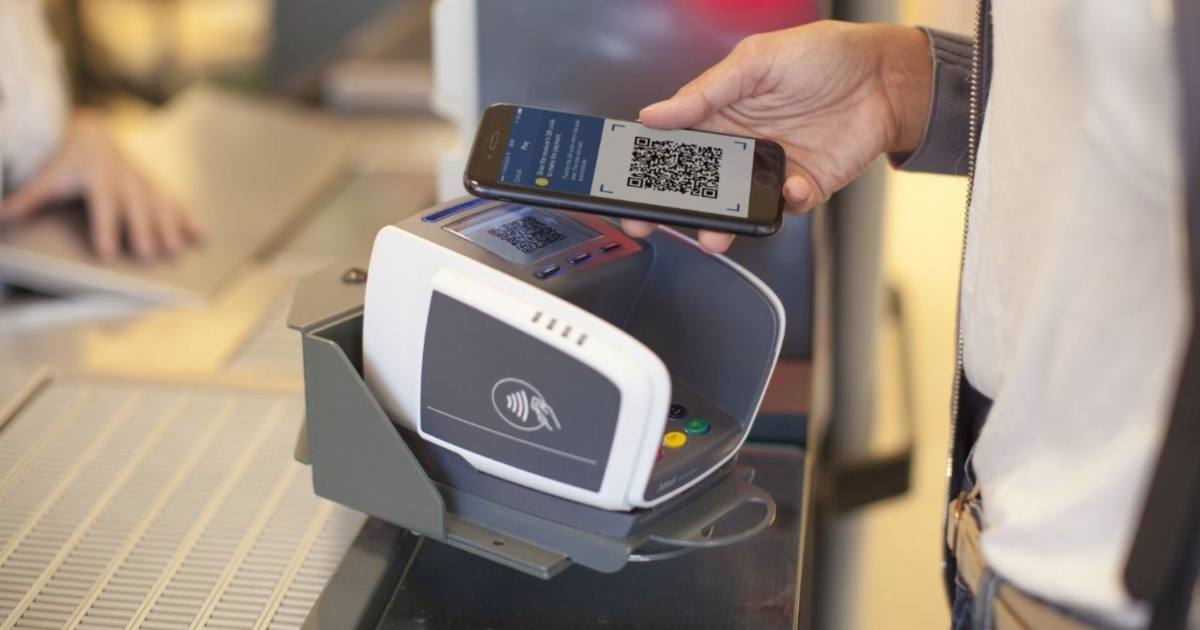
BAM illustrated the mechanism through an educational video titled "The Advantages of Electronic Payment Means." When a customer pays by card at a bakery, for example, the amount is debited from the client's account and credited to the merchant's account after deducting a commission. This fee compensates the payment service provider that supplies the point-of-sale (POS) terminal, covering technology costs, transaction processing, and related services.
- Issuing bank (customer's bank): receives 0.15% for proximity commerce, 0.5% for other categories
- Acquirer (merchant's payment provider): retains the remainder to cover terminal deployment and operational costs
Winners Across the Ecosystem
According to the central bank, the reform creates a virtuous cycle:
- Merchants see lower operating costs, incentivizing them to accept card payments for even small amounts, reducing reliance on cash handling and potentially boosting sales.
- Consumers gain access to POS terminals at more outlets, saving time and enjoying greater convenience in daily transactions.
- The financial system benefits from increased transaction volumes, improved traceability, and reduced informal cash circulation.
Strategic Context
The initiative aligns with Morocco's national financial inclusion strategy and the global trend toward cashless economies. By lowering barriers for merchants—especially small businesses—BAM aims to accelerate POS terminal deployment nationwide, a critical infrastructure gap in many emerging markets.