
Global Economy
Paraguay Banking Crisis Deepens as Ueno Bank Collapse Triggers Impeachment Push Against President Peña
Paraguay's financial turmoil has escalated into a full-blown political crisis as opposition lawmakers launched impeachment proceedings against President Santiago Peña and Vice President Pedro Alliana. The move follows the Central Bank's emergency intervention to take control of Banco Ueno after its solvency ratio plummeted below the 50% regulatory threshold. President Peña faces intense scrutiny over his former financial ties to the failed institution, raising questions about potential conflicts of interest and the direction of public funds during his administration.
Listen to this article
Unlock audio versions of premium articles and more with a Pro subscription.
Paraguay's banking sector is facing its most significant challenge in recent years as the collapse of Banco Ueno has triggered both a financial emergency and a constitutional crisis that threatens the stability of President Santiago Peña's government.
Central Bank Seizes Control of Troubled Lender
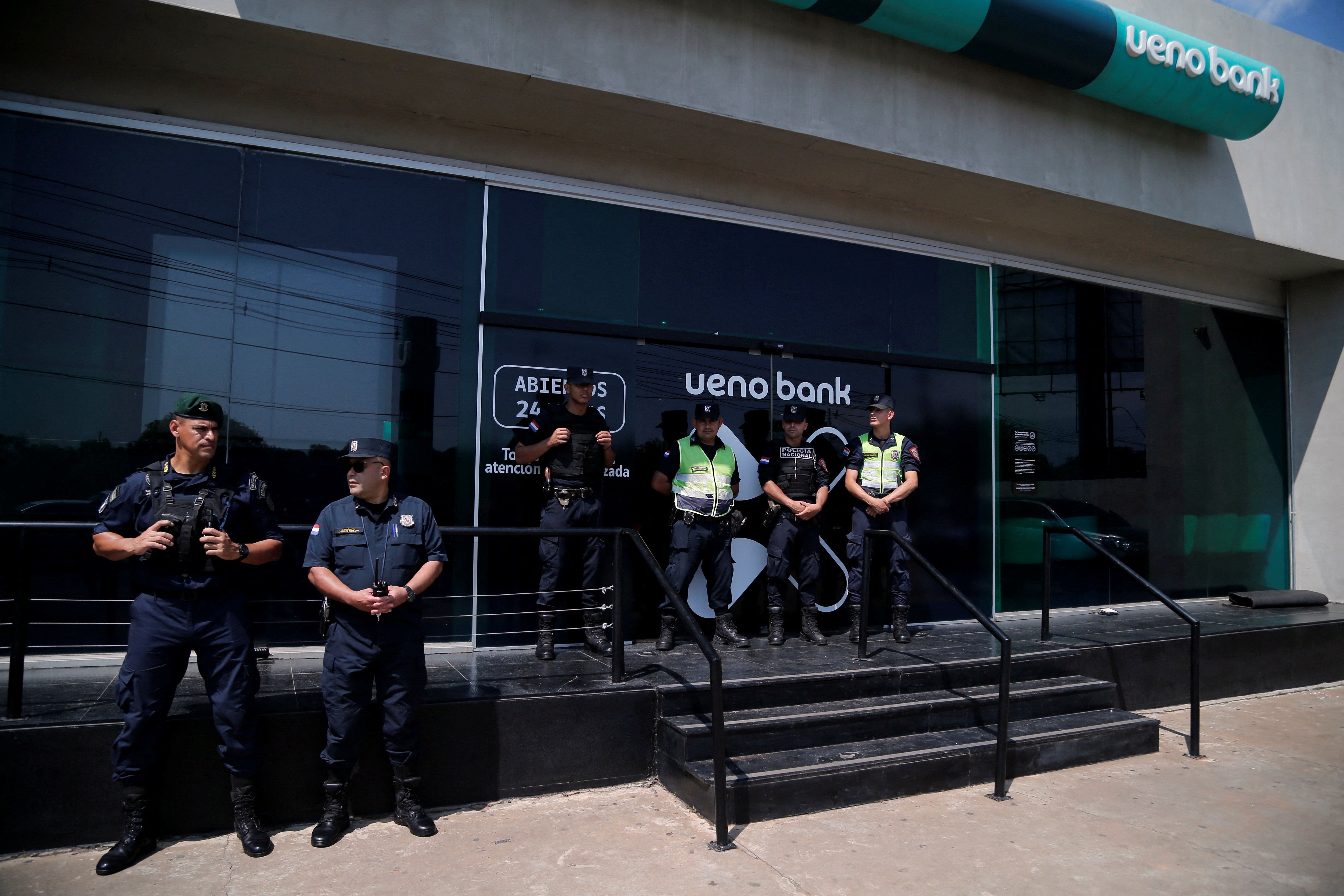
The Central Bank of Paraguay (BCP) executed an emergency takeover of Banco Ueno, one of the country's prominent financial institutions, after regulators determined that the bank's solvency ratio had fallen dangerously below the mandatory 50% threshold. Banking services were immediately suspended as authorities scrambled to organize the orderly return of deposits to anxious customers who gathered outside branches in the capital city of Asunción.
Opposition Launches Impeachment Offensive
The banking failure has provided opposition lawmakers with ammunition to mount a formal impeachment challenge against both President Peña and Vice President Pedro Alliana. The opposition coalition argues that the executive branch bears direct responsibility for the institutional failure and has accused the administration of channeling state resources and public funds toward the troubled bank.
Presidential Ties to Failed Bank Under Microscope
The controversy has intensified due to President Peña's historical connections to Banco Ueno. Prior to assuming the presidency, Peña—who previously served as Finance Minister—held ownership stakes in the holding company controlling the bank until 2025. These investments, acquired before his elevation to the country's highest office, now form the centerpiece of opposition allegations regarding potential conflicts of interest and improper influence over banking policy.
Government Responds with Reassurance Campaign
In an effort to contain the political and financial fallout, President Peña released a video statement urging citizens to remain calm. He emphasized the overall strength and resilience of Paraguay's financial system and announced the appointment of a new Central Bank governor in a bid to restore confidence in monetary authorities.
Street Protests Demand Presidential Resignation
Public anger over the banking crisis has spilled into the streets of Asunción, where demonstrators have organized rallies calling for the president's immediate departure. The protests reflect growing frustration with economic governance and mounting concerns about the safety of deposits in Paraguay's banking institutions.
Impeachment Faces Steep Parliamentary Hurdles
Despite the opposition's aggressive push, political analysts suggest the impeachment effort faces significant obstacles. The ruling party maintains comfortable majorities in both legislative chambers, making it highly unlikely that opposition forces can secure the 30 votes required in the 45-member Senate to remove the president from office.
Regardless of the impeachment outcome, the Banco Ueno crisis has severely damaged confidence in Paraguay's economic management and raised fundamental questions about regulatory oversight, political accountability, and the integrity of the country's financial infrastructure. The episode marks a critical test for institutions that have struggled to maintain stability amid growing economic pressures.