
Global Economy
Iran Schedules Gulf Nations Summit in Oman Over Strategic Hormuz Strait Blockade
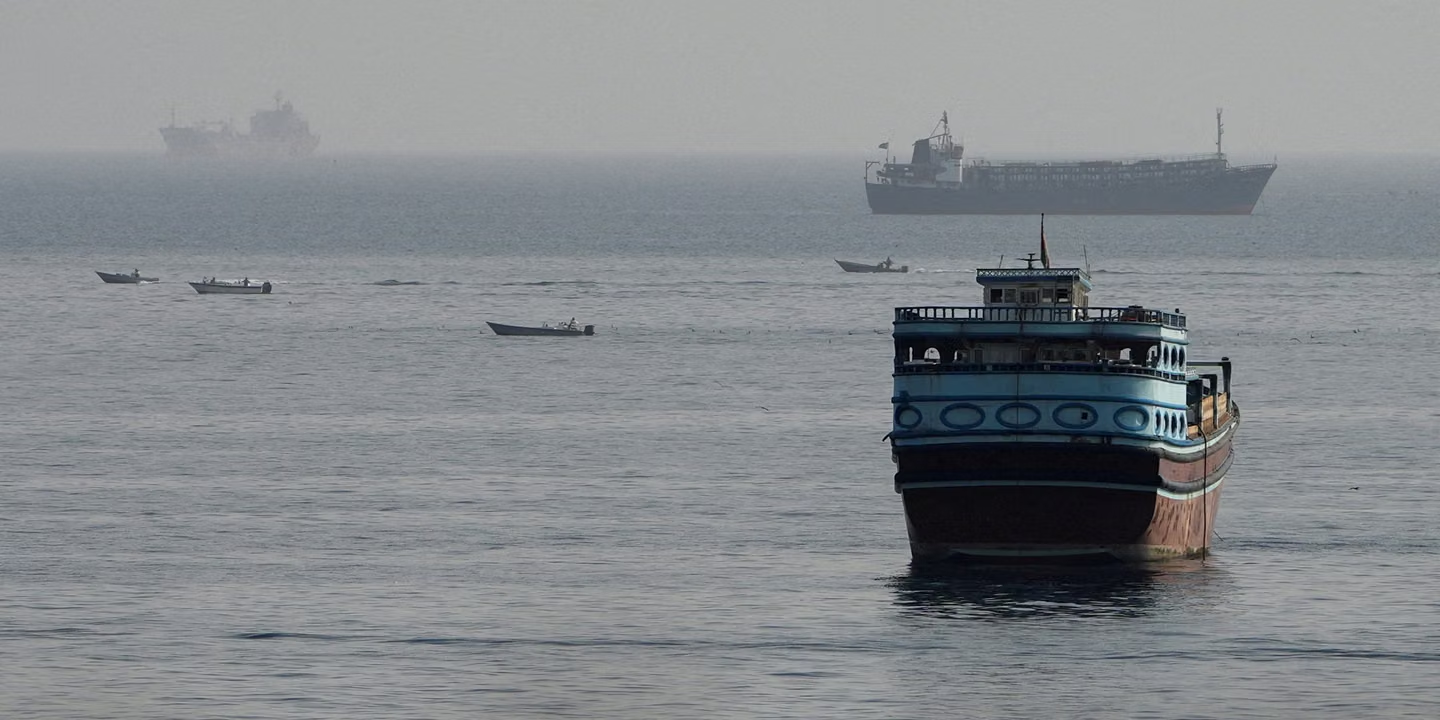
Tehran has announced critical diplomatic talks scheduled for Monday in Oman with Gulf region nations to address the ongoing Strait of Hormuz crisis. The strategic waterway remains under Iranian control following retaliatory actions against U.S. and Israeli military operations that began in late February, disrupting approximately 20% of global oil and liquefied natural gas flows and driving crude prices back above $100 per barrel after six months of conflict.
Listen to this article
Unlock audio versions of premium articles and more with a Pro subscription.
Iran's Foreign Ministry confirmed Friday that high-level diplomatic discussions will convene Monday in Oman, bringing together representatives from Gulf nations to address the escalating tensions surrounding the Strait of Hormuz. The strategic waterway has been under Tehran's strict control since late February, when Iran responded to military strikes launched by the United States and Israel.
Regional Security Dialogue Scheduled
According to a statement from Iran's Foreign Ministry, the upcoming meeting aims to "promote better understanding among regional countries and contribute to strengthening common regional security." The diplomatic gathering will include participation from Iraq and other Gulf coastal states, signaling a potential shift toward dialogue after months of heightened military tensions.
Six Months of Maritime Crisis
The conflict began on February 28 when U.S. and Israeli forces conducted strikes against Iranian targets. In immediate response, Tehran seized control of the Strait of Hormuz, through which approximately 20% of the world's oil and liquefied natural gas transited before hostilities commenced. This control has been maintained for six months, creating sustained disruption to global energy markets.
The maritime blockade has driven oil prices to symbolic highs this week, with crude surpassing the $100-per-barrel threshold once again. Market volatility continues as uncertainty persists over the strait's accessibility and long-term management.
New Transit Requirements Imposed
The geographic positioning of the strait—bordered by Iranian coastline to the north and Oman's territory to the south—has made bilateral discussions between Tehran and Muscat particularly significant. Both nations have engaged in weeks of negotiations regarding future management protocols for the waterway.
Iran has implemented new authorization requirements for vessels seeking passage through the strait. Tehran is currently developing a fee structure for maritime services, fundamentally altering what was previously free and unobstructed international passage. Ships that fail to comply with these new protocols face the risk of Iranian military strikes.
Ongoing Military Confrontation
The situation remains volatile, with periodic U.S. bombardments of Iranian coastal positions as Washington attempts to contest Tehran's control over the strategic chokepoint. These sporadic military exchanges have prevented any resolution to the standoff, keeping global energy markets on edge and supply chains disrupted.
Monday's multilateral discussions in Oman represent the first significant diplomatic initiative to address the crisis through regional cooperation rather than military escalation.