
Global Economy
Eurozone Inflation Surges to 3.3% in August Amid Middle East Energy Crisis
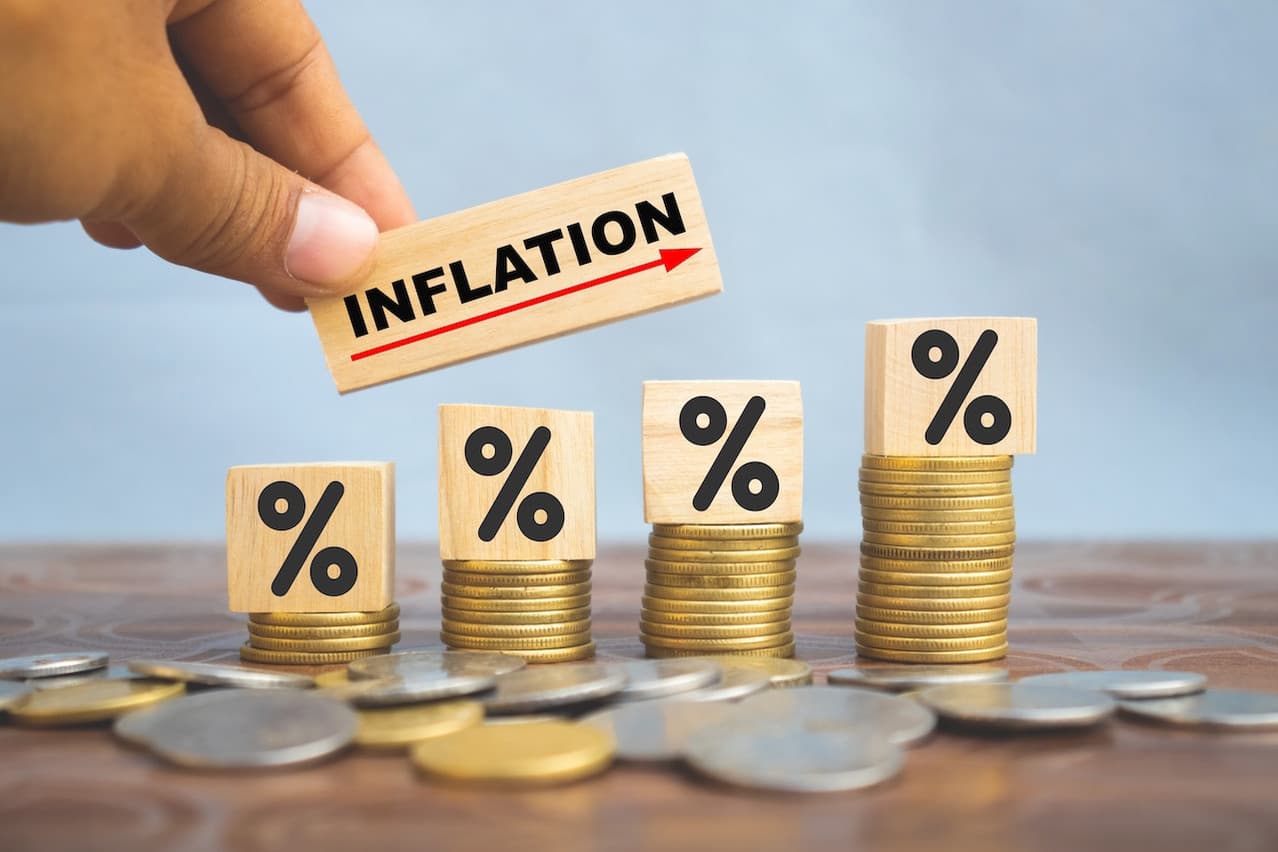
Consumer prices across the eurozone accelerated sharply in August, climbing to 3.3% year-over-year—the highest reading in three years. The surge is directly linked to escalating energy costs as geopolitical tensions in the Middle East drive oil prices higher. Energy inflation jumped to 14.3%, while core inflation showed signs of moderation, suggesting the spike is primarily driven by volatile commodity prices rather than broad-based economic pressures.
Listen to this article
Unlock audio versions of premium articles and more with a Pro subscription.
The eurozone recorded its highest inflation rate in three years this August, with consumer prices rising 3.3% year-over-year across the 21 countries sharing the euro currency. This marks a significant acceleration from July's 2.9% reading, according to preliminary data released by Eurostat on Tuesday.
Energy Prices Drive the Surge
The inflation spike aligns with economist forecasts and is primarily attributed to renewed volatility in oil markets following the resumption of U.S.-Iran hostilities in early July. Energy prices emerged as the dominant factor, surging 14.3% annually in August compared to 10.3% the previous month.
This energy-driven pressure reflects broader geopolitical instability affecting global commodity markets, with oil price fluctuations directly translating into higher costs for eurozone consumers and businesses.
Mixed Signals Across Categories
While energy dominated the headline figure, other price categories showed more modest movements. Industrial goods prices increased 1.2%, up from 0.9% in July, contributing to but not driving the overall acceleration.
Services inflation actually decelerated to 3.0%, down 0.3 percentage points from the prior month, while food prices held steady at 1.2% year-over-year growth. This divergence suggests the inflationary pressure remains concentrated rather than broad-based.
Core Inflation Shows Resilience
Notably, core inflation—which excludes volatile components like energy and food—edged down slightly to 2.4% annually, a 0.1 percentage point decline. This metric is closely watched by policymakers as it better reflects underlying price pressures in the economy.
The moderation in core inflation suggests that while headline figures are elevated, the fundamental inflationary dynamics may not be as concerning as the topline number implies.
Recent Trajectory and Outlook
Eurozone inflation had previously peaked at 3.2% in May during earlier Middle East tensions, before moderating below 3% as oil prices temporarily stabilized. The August resurgence indicates that geopolitical risks continue to pose significant challenges for price stability in the currency bloc.
With energy markets remaining sensitive to developments in the Middle East and the Strait of Hormuz region, the inflation outlook remains uncertain and heavily dependent on the evolution of these geopolitical tensions.