
Stocks Market
U.S.-Iran Confrontation Escalates as Tehran Strikes American Bases in Kuwait
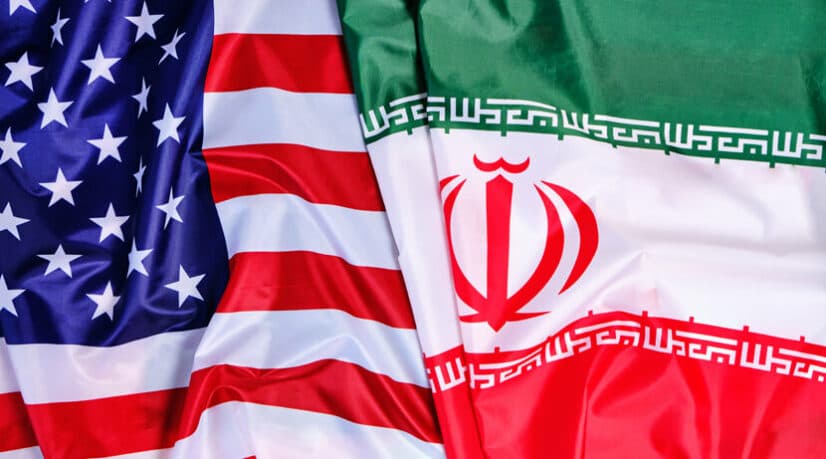
Tensions between Washington and Tehran have reached a critical new phase as Iran launched strikes against U.S. military installations in Kuwait on Thursday. The attacks represent direct retaliation for recent American bombardments that killed 19 people, including civilians at a wedding. With the strategic Strait of Hormuz at the center of the confrontation and diplomatic channels frozen, the conflict threatens broader regional instability despite earlier attempts to pivot toward economic pressure rather than military engagement.
Listen to this article
Unlock audio versions of premium articles and more with a Pro subscription.
The standoff between the United States and Iran has entered a dangerous new chapter, with Tehran launching confirmed missile and drone strikes against American military targets in Kuwait early Thursday morning. The escalation marks a direct Iranian response to consecutive nights of U.S. bombardments that resulted in significant casualties.
Kuwait Under Fire as Regional Tensions Flare
Kuwaiti military officials reported incoming missile and drone attacks in the early morning hours, characterizing them as an "Iranian aggression." Shortly thereafter, Iranian state television confirmed that operations were underway targeting U.S. bases on Kuwaiti soil. The strikes represent Tehran's most significant retaliation in the current cycle of violence.
The Iranian action follows a Wednesday warning from President Donald Trump, who stated that Washington remains prepared to strike the Islamic Republic "at any moment." Iranian officials, meanwhile, have vowed to "break" their American adversary through a sustained campaign.
Civilian Casualties Fuel Iranian Resolve
After a brief lull lasting approximately one month, hostilities reignited over the weekend in a pattern that has characterized the conflict since its outbreak in late February. U.S. forces conducted two waves of strikes: the first aimed at preventing Iranian mining operations in the Strait of Hormuz, and the second targeting Revolutionary Guard installations including radar sites and air defense systems.
The second operation proved particularly deadly, claiming 19 lives according to Iranian sources. Among the fatalities were seven military personnel and multiple civilians, including four people killed during a wedding celebration in the Sirik district of southeastern Iran. Approximately 70 individuals were wounded in that incident alone. U.S. military officials maintain they do not target civilians and have accused the Revolutionary Guard of using different operational standards.
Tehran has condemned the wedding strike as a "war crime" and announced retaliatory actions not only against U.S. forces but also against American allies throughout the region, including Jordan, Kuwait, Bahrain, Iraq, and the United Arab Emirates. Iranian officials have warned countries cooperating with U.S. military operations and announced a "new strategy" designed to "break the foundations" of their adversary.
From Economic Pressure to Military Action
The renewed bombing campaign represents a significant shift from recent Trump administration rhetoric emphasizing economic pressure over military confrontation. Washington has implemented a naval blockade of Iranian ports and announced expanded secondary sanctions targeting Iran's trading partners.
U.S. Energy Secretary Chris Wright characterized these measures as "maximum economic pressure" designed to cripple Tehran's financial capacity. However, this economic warfare strategy now operates alongside a resumed military offensive. President Trump has claimed U.S. forces destroyed far more than radar installations and reiterated his readiness to launch additional operations without warning.
Strait of Hormuz Remains Flashpoint
The strategically vital Strait of Hormuz continues to serve as the conflict's geographic epicenter. Two oil tankers reportedly caught fire after striking mines, according to Iranian accounts. Tehran has effectively locked down this critical waterway for hydrocarbon transport since the war began.
In a controversial moment, President Trump suggested renaming the passage the "Trump Strait," though he later indicated he was not serious. Beyond the rhetorical flourish, the exchange underscores the strait's central role in the U.S.-Iranian confrontation and its importance to global energy markets.
Israel Maintains Readiness But Stays Sidelined
Israeli officials have stated their preparedness to respond "forcefully" to any potential Iranian attack. However, Foreign Minister Gideon Saar clarified that Israel has no intention of joining the active conflict "for the moment."
Israel participated in the initial phase of the Middle East war alongside the United States when it began in late February but stepped back from direct military involvement following an April ceasefire agreement between Washington and Tehran. That truce subsequently collapsed, leading to the current cycle of violence.
Thursday's Iranian strikes on Kuwait occur within a broader context of diplomatic paralysis, intensifying economic warfare, and persistent risk of wider regional conflagration. With neither side showing willingness to de-escalate and civilian casualties mounting, the confrontation appears set to continue without clear resolution.