
Stocks Market
Morocco's Dakhla Atlantique Port Hits 65% Completion: Gateway to West Africa Takes Shape
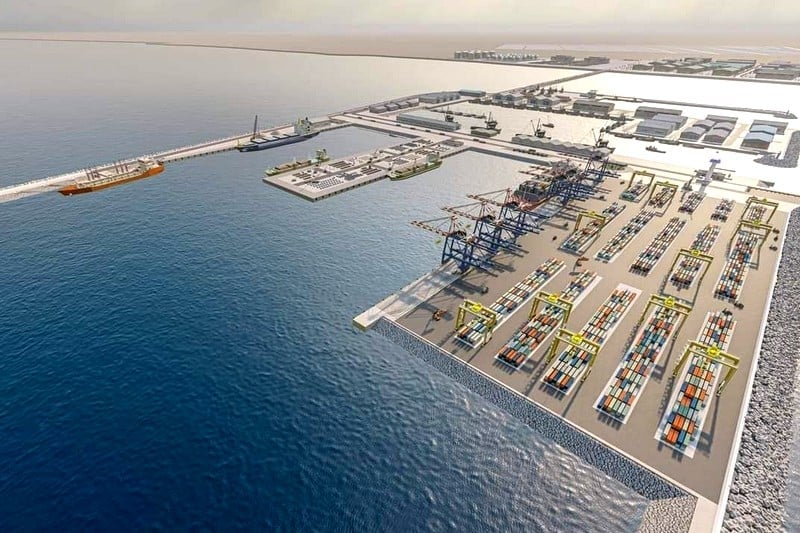
Construction of Morocco's strategic Dakhla Atlantique port has reached 65% completion as of July 2026, marking a major milestone for the Kingdom's ambition to become a premier maritime hub linking Africa and Europe. The mega-project features a 1.33 km access bridge, 7.5 km of coastal protection, and deep-water quays capable of accommodating large commercial vessels. With three specialized basins for commerce, deep-sea fishing, and ship repair, plus extensive logistics zones, the port is positioned to catalyze regional trade and investment across West Africa.
Listen to this article
Unlock audio versions of premium articles and more with a Pro subscription.
Major Milestone for Morocco's Atlantic Gateway
Work on the Dakhla Atlantique port—one of Morocco's most ambitious infrastructure undertakings—is advancing at a sustained pace, with overall completion reaching 65% as of July 2026. The project, strategically positioned on the Kingdom's southern Atlantic coast, is designed to serve as a logistics and trade bridge between Morocco and West African nations, reinforcing the country's role as a regional maritime hub.
Key Infrastructure Components
- Maritime Access Bridge: A 1,330-meter bridge connecting the port to the mainland.
- Coastal Protection: 7.5 kilometers of maritime defense structures to shield operations from Atlantic swells.
- Deep-Water Quays: Over 2,300 linear meters of berths with drafts up to 18 meters, enabling the reception of large-capacity commercial vessels.
- Three Specialized Basins: Dedicated zones for general commerce, deep-sea fishing, and industrial activities including ship repair.
- Dredging & Logistics Zones: Extensive seabed dredging and vast onshore areas earmarked for logistics and industrial development.
Strategic & Economic Implications
By providing deep-draft, multi-purpose facilities, Dakhla Atlantique aims to reduce transit times and logistics costs for trade flows between Europe, Morocco, and the fast-growing economies of West Africa. The port's integrated design—combining commercial, fisheries, and industrial repair capabilities—creates a cluster effect expected to attract foreign direct investment and spur ancillary industries such as cold storage, ship chandlering, and maritime services.
Analysts note that the project aligns with Morocco's broader "Atlantic Initiative" to deepen economic ties with Sahel and Gulf of Guinea countries, while also supporting the Kingdom's blue economy ambitions through sustainable fisheries and marine resource management.
Outlook
With nearly two-thirds of civil works complete, the focus now shifts to equipment installation, systems integration, and operational readiness. Authorities have signaled that the first commercial operations could commence in late 2027, with full capacity ramp-up through 2028. Investors and supply-chain managers are advised to monitor the project's progress as a leading indicator of North-West African trade corridor development.