
Global Economy
US and Saudi Arabia Sign Civil Nuclear Deal Allowing Uranium Enrichment
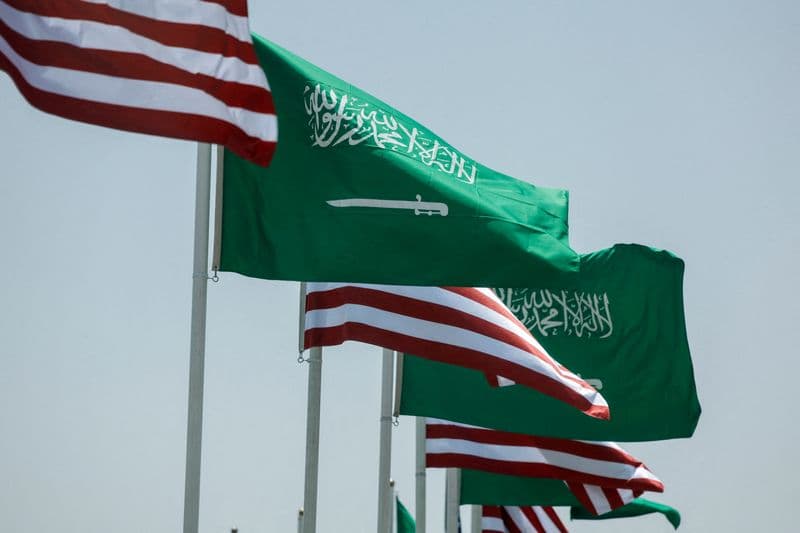
The United States and Saudi Arabia have finalized a civil nuclear pact that lets Riyadh enrich uranium and construct reactors using American technology, while bypassing the International Atomic Energy Agency's (IAEA) Additional Protocol inspections. The agreement, negotiated for years under both Trump and Biden administrations, raises proliferation concerns but is presented by Saudi officials as a step toward diversifying the kingdom’s energy portfolio beyond oil.
Listen to this article
Unlock audio versions of premium articles and more with a Pro subscription.
Background of the Deal
Negotiations on a civil nuclear partnership began during the first Trump administration and continued under President Joe Biden. After years of diplomatic back‑and‑forth, the United States and Saudi Arabia announced on 23 July 2026 that they have reached a final agreement.
Key Provisions
The pact grants Saudi Arabia the right to enrich uranium and to build nuclear power plants using U.S. technology. Crucially, the kingdom will not be required to sign the IAEA’s Additional Protocol, which would allow the agency to conduct unannounced inspections of sites not declared as nuclear facilities.
Proliferation Concerns
Security analysts warn that the ability to enrich uranium and reprocess nuclear waste can, under certain circumstances, be diverted toward weapons‑grade material. The omission of the Additional Protocol revives fears that Riyadh could develop a clandestine nuclear weapons program in the future.
Saudi Strategic Motive
As the world’s leading oil exporter, Saudi Arabia says the agreement fits its broader “energy diversification” strategy, aiming to secure long‑term power generation capacity while adhering to what it describes as the highest safety and non‑proliferation standards.
U.S. Position and Conditions
Former President Donald Trump emphasised that the deal contains no military component and is fully contingent upon Saudi Arabia normalising its relations with Israel as part of the Abraham Accords. The agreement still requires formal approval from the U.S. Congress before it can be implemented.
Potential Regional Impact
Saudi Crown Prince Mohammed bin Salman has repeatedly warned that the kingdom would pursue a nuclear arsenal if Iran were to develop one. The new agreement, however, does not directly address this broader security rivalry.