
Global Economy
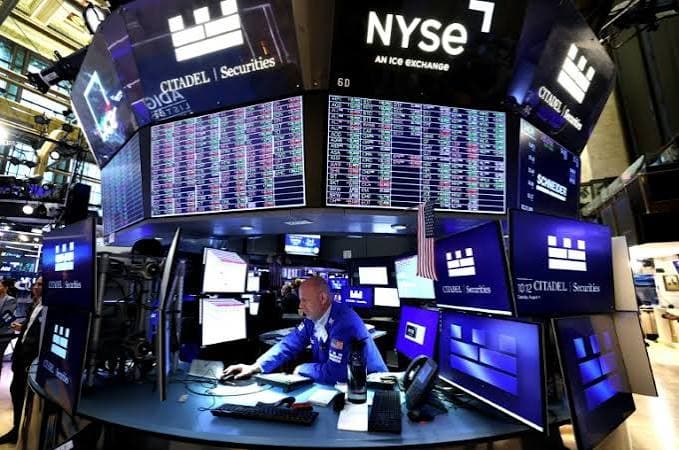
Wall Street set to open lower as geopolitical tensions roil oil and bond markets
Wall Street futures signaled a modest decline on Monday, September 28, 2026, as investors digested President Donald Trump’s rejection of an Iranian peace proposal that threatens oil supplies and bond yields. While European bourses traded higher, the focus shifts to upcoming inflation data and PMI figures, alongside the Federal Reserve’s likely rate hike in late October. The mixed sentiment underscores the market’s sensitivity to geopolitical developments and monetary‑policy expectations.
Listen to this article
Unlock audio versions of premium articles and more with a Pro subscription.
Wall Street set to open lower amid geopolitical tensions and rising oil prices
Wall Street futures signaled a modest decline at the opening bell on Monday, September 28, 2026, as investors digested the impact of President Donald Trump’s rejection of an Iranian peace plan that threatens oil supplies and bond yields. While European bourses traded in positive territory mid‑session, the pullback reflects heightened uncertainty.
In New York, Dow Jones futures were down 0.54%, the S&P 500 slipped 0.46% and the Nasdaq fell 0.82%. Meanwhile, Paris’ CAC 40 rose 0.55% to 8 122.25 points, Frankfurt’s Dax gained 0.19% and London’s FTSE 100 added 0.46%. Pan‑European indices also posted modest gains, with EuroStoxx 50 up 0.32%, FTSEurofirst 300 up 0.36% and Stoxx 600 up 0.39%.
Early in the week the economic calendar is thin, but macro‑data will dominate investor attention later. Key releases include inflation figures in both Europe and the United States, as well as final PMI readings, all of which will shape expectations for monetary policy.
Geopolitical risk remains the primary driver. Tehran unveiled a peace blueprint at the United Nations last week, proposing to reopen the Strait of Hormuz and end hostilities. Trump, however, rejected the proposal on Saturday, casting doubt on any near‑term de‑escalation. Mediators are scheduled to hold separate talks with the U.S. and Iran on Monday or Tuesday, focusing on a revised seven‑day version of the Iranian plan.
In this volatile environment, oil prices have climbed about 3%, while bond yields have risen, tightening financial conditions and fueling expectations of further central‑bank tightening. LSEG data show a 70% market probability that the Federal Reserve will raise rates again at its next policy meeting in late October. For the European Central Bank, opinions are split, with 47% of traders pricing a hold.
The article also lists related market stories and a continuous‑feed of recent headlines, highlighting the interplay between geopolitical events, commodity moves and bond‑market dynamics.