
Stocks Market
World Bank and Morocco Sign 10‑Year Partnership to Boost Jobs and Inclusive Growth
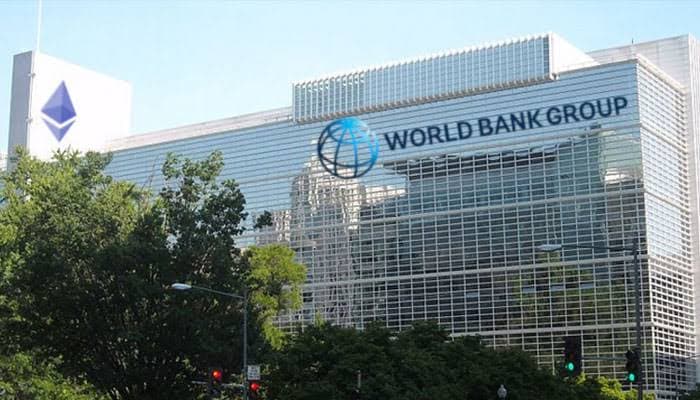
The World Bank Group and the Moroccan government have approved a new 10‑year Country Partnership Framework aimed at transforming Morocco’s growth model. The roadmap puts job creation at its core, focusing on improving competitiveness, connecting regions and strengthening human capital. The partnership combines loans, technical assistance and private‑capital mobilization to deliver measurable results such as new jobs, increased private investment and better access to health and education services.
Listen to this article
Unlock audio versions of premium articles and more with a Pro subscription.
Groundbreaking 10‑Year Partnership
The World Bank Group and Morocco’s Ministry of Economy and Finance have signed a new Country Partnership Framework (CPF) that will guide cooperation for the next decade. The agreement is designed to shift the Kingdom’s growth model from a public‑investment‑driven approach to a more private‑sector‑led engine that generates quality jobs, especially for youth and women.
Three Strategic Pillars
- Boosting business competitiveness: simplifying regulations, fostering competition, and expanding financing for small‑ and medium‑sized enterprises.
- Building inclusive, connected regions: reducing geographic disparities, improving market access and services in both urban and rural areas.
- Strengthening human capital: supporting education reforms, universal health coverage, and an expanded social‑protection system.
Measurable Results at the Core
The partnership commits to delivering tangible outcomes that can be tracked through concrete indicators: the number of jobs created, private investment mobilized, expanded access to quality health and education, and enhanced resilience of vulnerable communities against climate shocks.
Key Voices
Nadia Fettah, Morocco’s Minister of Economy and Finance, said, “This new framework is a decisive step for Morocco. By aligning public and private financing, knowledge and reforms around a shared vision, we place job creation for our youth and women at the heart of our ambition.”
Ousmane Dione, Vice‑President for the Middle East, North Africa, Afghanistan and Pakistan, added that a ten‑year horizon allows the World Bank to move beyond short‑term project cycles and invest in lasting structural transformation.
Ethiopis Tafara, Vice‑President of the International Finance Corporation (IFC) for Africa, highlighted the intention to mobilize more private capital and nurture the next generation of enterprises.
Ed Mountfield, Vice‑President and CFO of the Multilateral Investment Guarantee Agency (MIGA), explained that MIGA’s guarantees will help reduce investment risk and stimulate private‑sector‑driven job creation.
Looking Ahead
The World Bank Group looks forward to working with Moroccan authorities and development partners to build a resilient, inclusive and prosperous future for the Kingdom.