
Global Economy
US Strikes on Iran Escalate Near Strait of Hormuz as Tehran Vows Retaliation
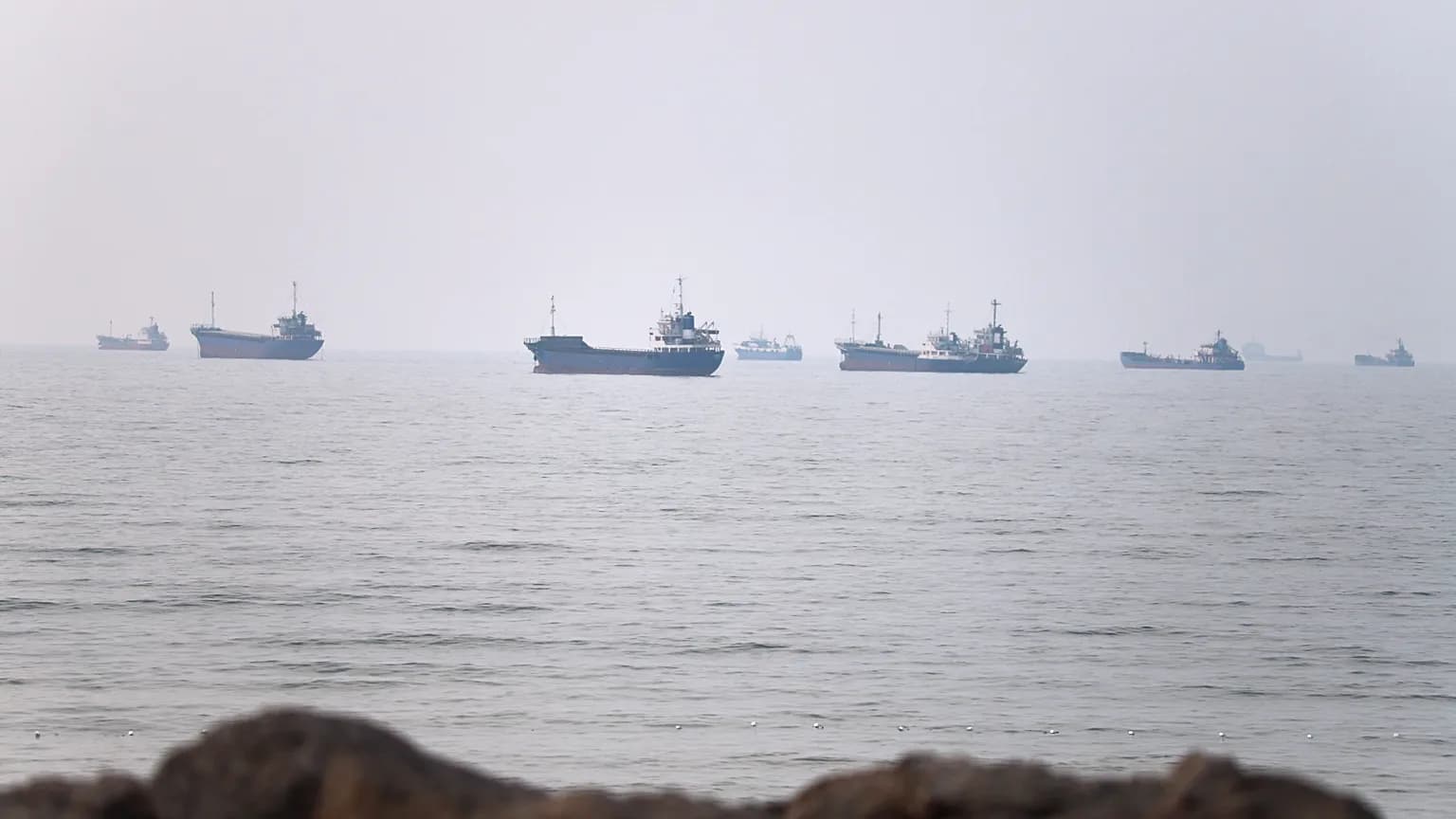
Tensions in the Middle East reached new heights as the United States launched a fresh wave of military strikes against Iranian targets near the Strait of Hormuz on Tuesday. The assault marks a dangerous escalation following weekend exchanges, with Iran responding through missile and drone operations. Oil prices surged as Tehran threatened to block all Gulf petroleum exports, while President Trump warned of even harder strikes if Iran retaliates, effectively burying a June interim ceasefire agreement.
Listen to this article
Unlock audio versions of premium articles and more with a Pro subscription.
The United States conducted a new series of airstrikes against Iranian Revolutionary Guard targets near the Strait of Hormuz on Tuesday, intensifying a volatile confrontation that threatens to spiral into broader regional conflict. The military action, which began at 4:00 PM GMT, comes just days after weekend hostilities and signals the collapse of diplomatic efforts to de-escalate tensions.
Iranian Response and Regional Impact
Iran's Fars news agency reported that Tehran launched retaliatory operations later in the evening, deploying missiles and drones, though specific targets were not immediately disclosed. The Jordanian military confirmed that its air defense systems intercepted more than a dozen ballistic missiles that had entered Jordanian airspace. Two US officials told Reuters that the Iranian counterattack caused no immediate casualties.
Explosions were reported on Qeshm Island near the Strait of Hormuz, according to Iranian state television. The Nour News agency documented blasts in the port city of Bandar Abbas and Chabahar in southern Iran. The official IRNA news agency reported additional explosions in Jask and Sirik. A deputy governor in Sirik, quoted by state television, stated that a US strike killed two people and injured several others at a wedding ceremony near the city.
Oil Market Volatility
Global oil markets reacted sharply to the escalating conflict. Crude prices, already elevated following weekend US strikes—the first publicly acknowledged American attack on Iran since July—continued climbing Tuesday. Tehran issued a stark warning that it would prevent all oil exports from the Gulf, directly challenging President Donald Trump's repeated threats to strike Iran "even harder" if it responds to American attacks.
Economic Pressure Campaign Intensifies
US Treasury Secretary Scott Bessent announced that the Trump administration is preparing additional measures to intensify economic pressure on Iran. The announcement came ahead of a G20 finance ministers meeting in Asheville, North Carolina. However, neither the threat of continued bombardment nor the prospect of further economic sanctions appears to have altered the balance of power, as Iran has endured heavy economic sanctions for nearly five decades.
Diplomatic Efforts Collapse
The interim agreement reached in June between Washington and Tehran, which called for a cessation of hostilities and the reopening of the Strait of Hormuz—effectively blocked by Iran following the US and Israeli bombing campaign launched on February 28—now appears permanently abandoned.
In a Fox News interview Tuesday, President Trump stated he had given Iran numerous opportunities to reach an agreement but concluded that any deal with Tehran "isn't even worth the paper it's written on."
Military Operations Details
US Central Command (Centcom) announced on social media platform X that the strikes targeted Islamic Revolutionary Guard facilities. "These strikes follow recent attempted attacks by (the Guards) against commercial shipping in the Strait of Hormuz and against US service members deployed in the region," the statement read.
A Revolutionary Guard spokesperson, quoted by Fars news agency, warned earlier that the United States would "regret their new attacks." The US Embassy in Qatar urged American citizens in the Middle East to exercise "heightened vigilance."
Escalation Risk Despite Limited War Claims
While Trump posted on his Truth Social platform that Iran would be "hit even harder and to a greater degree" if it retaliates against US strikes, he told journalists Monday that the bombardments did not signal a return to large-scale war. A senior Iranian source told Reuters this represents a "limited and contained confrontation."
Nevertheless, the rhetoric from both sides, with reciprocal promises to respond to any attacks, suggests significant risk of military escalation.
Iran's Defiant Stance
Speaking Tuesday morning at a regional summit in Kyrgyzstan, Iranian President Massoud Pezeshkian stated that Tehran would respect commitments made under the June interim agreement if Washington leads the way. However, senior Iranian officials have demonstrated their determination not to yield to US pressure.
Mohammad Bagher Ghalibaf, speaker of the Iranian Parliament and Tehran's chief negotiator, warned that "if the enemy doesn't want us to export oil from the Persian Gulf, no one will be able to export oil," according to official Iranian press.
The Iranian Foreign Ministry spokesperson declared that Washington is "addicted to formulating excessive demands" and misunderstands negotiations as a means to "dictate its terms." Esmail Baghaei added during a press conference that "as long as (the United States) acts this way, they will not obtain more results than they have achieved so far."