
Global Economy
Iran Holds Hormuz Strait Shut Until U.S. Meets All Its Demands – Trump’s Bluff and Oil Market Risks
Iran’s Revolutionary Guards have declared that the vital Strait of Hormuz will stay closed until Washington satisfies every demand Tehran has laid out – from ending U.S. military actions in Yemen and Iraq to lifting all sanctions and freeing frozen Iranian assets. President Donald Trump has dismissed the list as “political theater,” insisting the situation will resolve itself, while regional actors such as the Houthi rebels continue to target oil infrastructure in the Red Sea. The standoff keeps a key artery for global oil flowing under threat, heightening price volatility and prompting investors to watch for any sign of a diplomatic breakthrough or further escalation.
Listen to this article
Unlock audio versions of premium articles and more with a Pro subscription.
Background
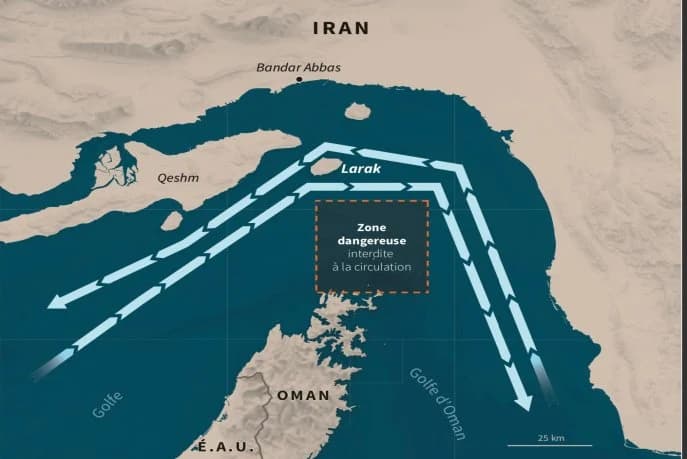
The strategic Strait of Hormuz, through which roughly one‑third of the world’s oil passes, has been sealed off by Iran’s Revolutionary Guards. The closure is a central lever in the ongoing Middle‑East war.
Iran’s demands
Tehran announced that the waterway will remain shut until Washington accepts every condition it has set. The list includes ending all U.S. military actions against Iran and its allies in Yemen and Iraq, lifting the maritime blockade on Iranian ports, fully compensating Iran for war‑related damages, dropping all economic sanctions and unconditionally releasing frozen Iranian assets.
U.S. response
President Donald Trump, speaking to Axios, downplayed the demands, saying the United States is “watching Iran’s runaway inflation” and that the situation will “always work out.” He likened the standoff to a game of chess and hinted that a deal could be reached soon.
Regional tension
While the U.S. bombings have paused, Houthi rebels in Yemen claimed a drone strike on Saudi Aramco’s refinery in the Red Sea and launched missiles toward the Yemeni port of Mokha, causing at least 11 casualties. Saudi Arabia, a U.S. ally, recently signed a mutual‑defence pact with Pakistan and Turkey.
Outlook
Negotiations are limited to “message‑exchange” via intermediaries, with Iran refusing direct talks until the U.S. complies with the June 2023 Iran‑U.S. agreement. The prolonged closure of Hormuz keeps oil markets on edge and raises the likelihood of higher crude prices in the short term.