
Global Economy
Bank of England Holds Key Rate at 3.75% Amid Stabilising Inflation and Oil Market Relief
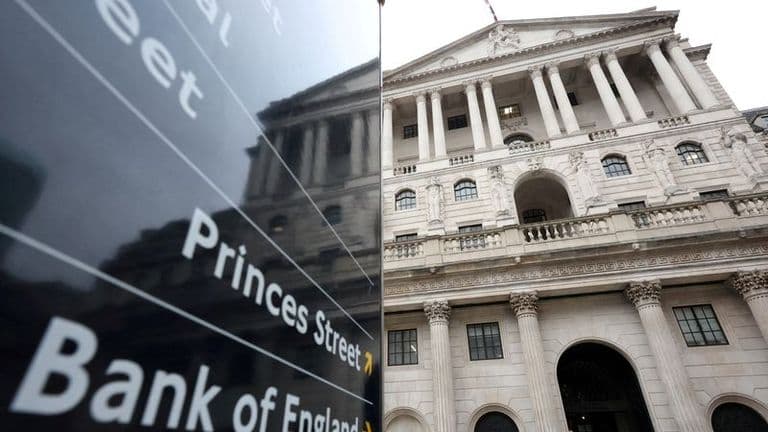
On June 18, 2026, the Bank of England kept its Bank Rate unchanged at 3.75% for the fourth consecutive meeting. The decision came as Middle‑East tensions eased, lowering oil‑price fears, but inflationary pressures in the UK remain elevated. While the pound slipped against the dollar, other major central banks such as the Fed and the Swiss National Bank also held rates steady.
Listen to this article
Unlock audio versions of premium articles and more with a Pro subscription.
Bank of England Keeps Rate Steady at 3.75%
The Monetary Policy Committee (MPC) of the Bank of England voted unanimously to keep the Bank Rate at 3.75% for the fourth meeting in a row. The decision was reinforced by recent diplomatic breakthroughs in the Middle East, which lowered expectations of a sharp rise in oil prices.
In a joint statement with the meeting minutes, Governor Andrew Bailey said, "Oil prices have fallen in recent days, which is encouraging, but they remain above pre‑conflict levels." He added that the higher energy costs of the past four months have already embedded inflationary pressure in the economy.
Two MPC members out of nine voted for a 0.25‑percentage‑point increase, reflecting lingering concerns about the still‑elevated inflation rate.
UK Inflation Holds Steady
British inflation was unchanged in May at 2.8% year‑on‑year, contrary to analysts’ expectations of a slight uptick. Based on June 15 price data, the BoE projects inflation to stay just under 3% in the third quarter and slightly above 3.25% by year‑end.
Oil Market Outlook
The United States and Iran signed a protocol to reopen the Strait of Hormuz, a vital oil‑shipping lane. While the agreement reduces the risk of further price spikes, the bank notes that restoring normal energy production and transit will take time.
Currency Reaction
Following the announcement, the pound fell 0.53% against the U.S. dollar, trading at $1.3223.
Global Central Bank Context
On the same day, the U.S. Federal Reserve also opted for a status‑quo stance but warned of possible tightening if inflation persists. The European Central Bank raised its key rate the week before, while the Swiss National Bank and Norway’s central bank left their rates unchanged.
With the BoE’s cautious approach, market participants will watch UK labour market trends and the pace of economic slowdown for clues on future policy moves.