
Stocks Market
IMF Highlights Morocco’s Growing Central Bank Independence and Funding Challenges
The International Monetary Fund’s latest study on monetary policy in the MENA region praises Morocco’s steady progress toward a more autonomous central bank, noting that reforms since the early 2000s have helped lower inflation and improve price stability. At the same time, the IMF warns that the Moroccan government’s reliance on the banking sector for public financing remains higher than the regional average, a factor that could limit the effectiveness of monetary policy.
Listen to this article
Unlock audio versions of premium articles and more with a Pro subscription.
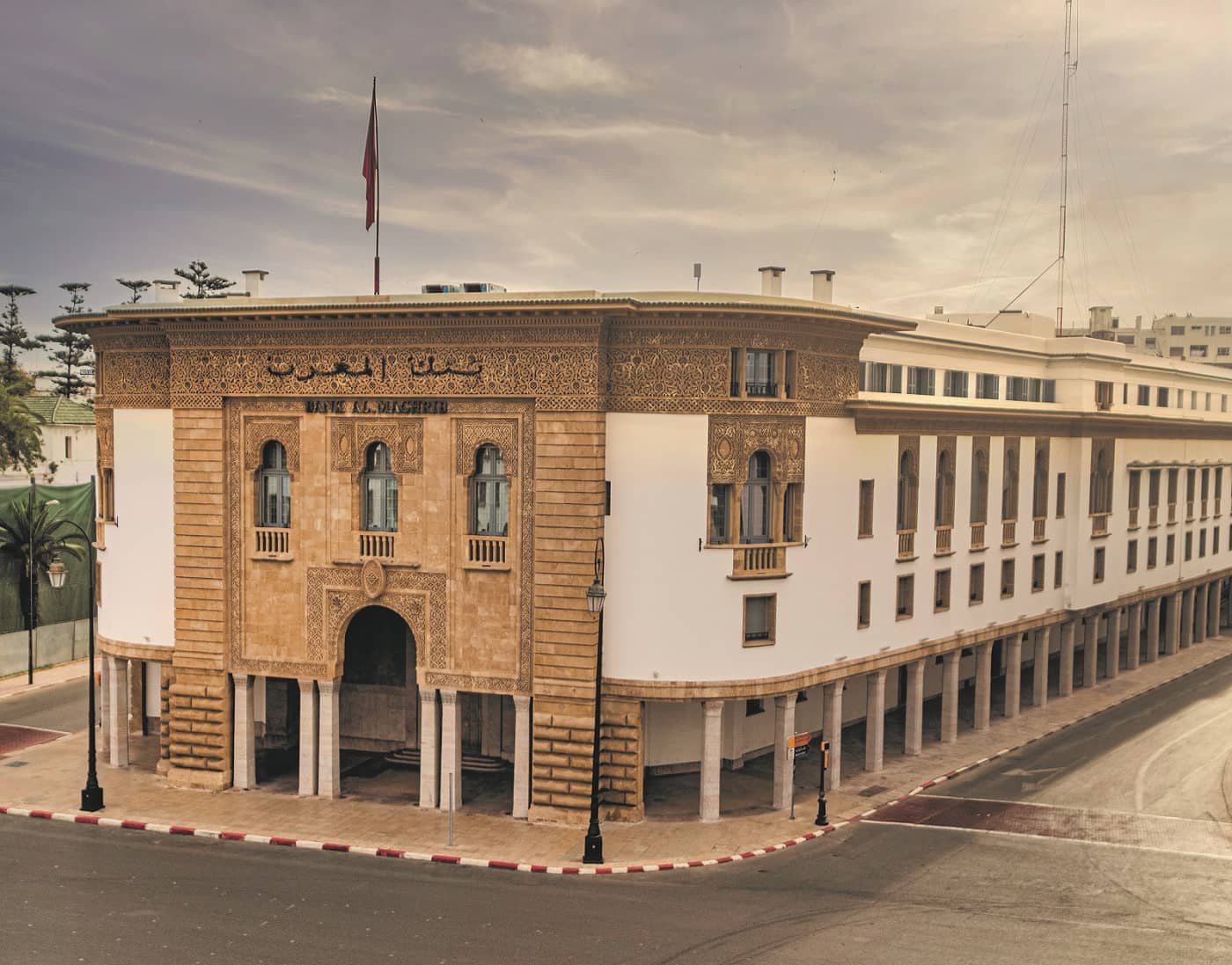
Morocco’s central bank, Bank Al‑Maghrib, is emerging as one of the most independent monetary authorities in the MENA region, according to a new IMF paper on central‑bank independence and policy effectiveness across the Middle East, Central Asia and the Caucasus.
IMF’s regional overview
Since the turn of the millennium, several countries have overhauled the legal framework governing their central banks to curb political interference, tighten Treasury financing rules, and put price stability first. The Fund highlights that average inflation in the region fell from roughly 9 % (1981‑1999) to about 5 % in the following two decades, coinciding with a gradual boost in institutional independence.
Key reforms in Morocco (1980‑2010)
The IMF points to three pillars of Morocco’s reform agenda:
- Priority on price stability – inflation targeting became the cornerstone of monetary policy.
- Personal and financial autonomy – the central bank gained statutory independence and a secure budget.
- Limits on public‑debt financing – tighter rules on direct Treasury borrowing reduced fiscal pressure on monetary decisions.
These safeguards are viewed as essential for insulating monetary policy from budgetary demands.
Exchange‑rate anchoring
Morocco is also part of the “exchange‑rate anchor” group. By fixing the dirham to a basket of major currencies, the country has been able to dampen inflation spikes, providing an additional credibility boost when complemented by sound institutions and ample foreign‑exchange reserves.
Funding the state – a lingering concern
The IMF’s analysis flags higher‑than‑average net claims of the banking system on the central government (as a share of GDP) for Morocco during 2015‑2024. Alongside Algeria, Egypt, Jordan and Pakistan, this suggests a “budget‑dominance” risk where public‑financing needs could crowd out private credit and blunt the transmission of policy rates.
Even with a solid legal framework, regular communication, and an active policy‑rate stance, the effectiveness of monetary policy can be compromised if the state consistently draws on bank resources.
IMF’s outlook and recommendations
The Fund does not question Bank Al‑Maghrib’s credibility. Instead, it praises the progress made while urging continued enhancements to legal safeguards, governance, financial independence, and transparency. Moreover, the IMF stresses that new mandates—climate finance, fintech regulation, digital currencies—must not dilute the core mission of price and financial stability.
Overall, Morocco’s path mirrors a broader regional trend: stronger central‑bank autonomy, but still room for improvement in fiscal‑monetary coordination.