
Stocks Market
Middle-East Shock: Bank Al-Maghrib Freezes Key Rate at 2.25% to Keep Powder Dry
Faced with a fresh geopolitical earthquake in the Middle East, Morocco’s central bank unanimously left its benchmark rate untouched at 2.25%, betting that caution today beats costly reversals tomorrow. Governor Abdellatif Jouahri warned that oil-price spikes—already stress-tested at $100-$140/bbl—could quickly erode the kingdom’s tame inflation outlook and external balances.
Listen to this article
Unlock audio versions of premium articles and more with a Pro subscription.
Rabat—18 March 2026—Bank Al-Maghrib stuck to the sidelines on Monday, leaving its key policy rate at a record-low 2.25% for a fifth straight meeting as fresh hostilities in the Middle East inject a powerful new dose of uncertainty into the global outlook.
Geopolitics trumps easing
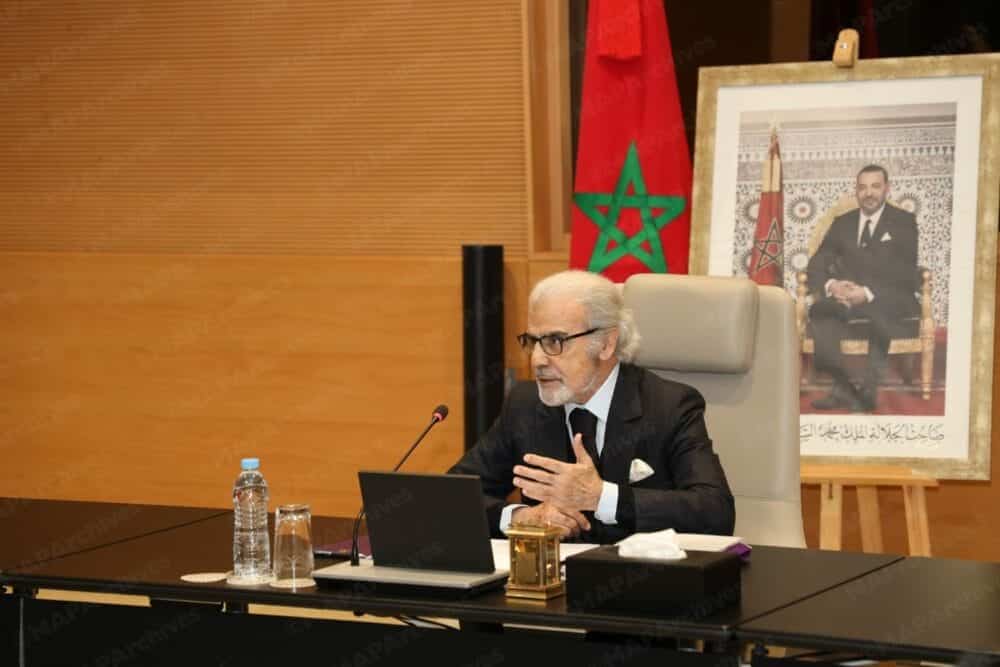
Speaking after the Board’s unanimous vote, Governor Abdellatif Jouahri said the conflict "adds another layer of risk" to an already fragile planet juggling the war in Ukraine and tit-for-tat trade restrictions. Because the duration, breadth and intensity of the flare-up are impossible to call, the bank opted to "keep its powder dry" rather than deliver further stimulus.
Oil-price stress tests
Central-bank staff modelled three oil-price tracks:
- A base case of $80/barrel for Brent;
- A stress scenario at $100;
- An extreme shock of $130–140.
Even under the middle scenario, Morocco’s import bill would widen, the current-account deficit would deepen and inflation could re-accelerate through transport and food channels. The baseline forecast already sees headline CPI edging up from 0.8% in 2025–26 to 1.4% in 2027.
Domestic buffers intact—for now
The monetary authority stressed that the kingdom is entering this shock with sturdier fundamentals than in prior episodes:
- Non-agricultural growth remains solid;
- Official reserves cover roughly 5 months of imports;
- Banks hold excess liquidity and strong capital ratios.
Those cushions buy time, but not immunity. If energy prices stay elevated or supply chains seize up, the board stands ready to convene an emergency meeting—virtual or in person—before the next scheduled gathering in June.
Forward guidance: live & data-dependent
Jouahri ruled out any pre-commitment. Policy will be set "meeting by meeting" based on the latest hard data and market sentiment. Translation: traders hoping for an automatic rate cut once inflation dips below 1% may be disappointed if geopolitical risk premia remain large.
For investors, the signal is clear: expect sideways rates until the fog of war lifts and the trajectory of commodity prices becomes less binary.