
Stocks Market
Trump Unveils 10% Global Import Tariff After Supreme Court Ruling
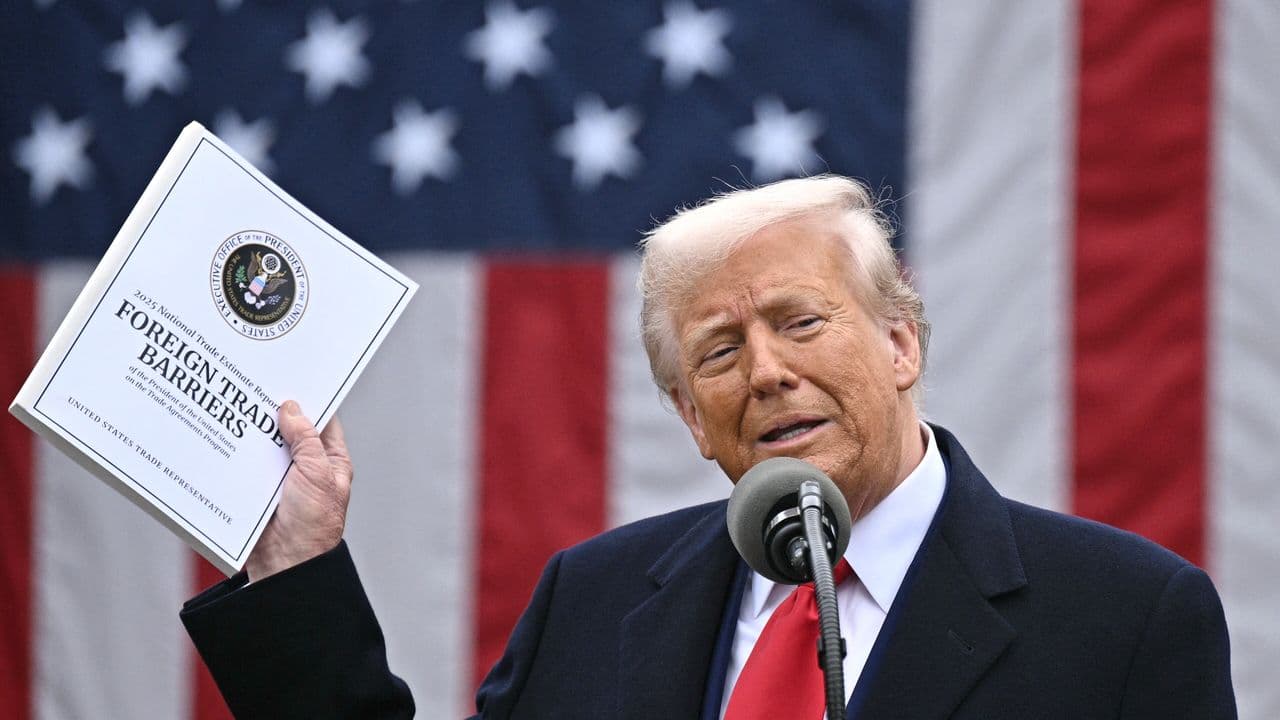
President Donald Trump announced a sweeping executive order that will add a 10% tariff on all imports worldwide, stacking on top of existing duties. The move follows a Friday Supreme Court decision that invalidated much of the tariff regime his administration had put in place, prompting Trump to label the ruling “deeply disappointing” and to accuse the justices of foreign influence. The president argued that the administration has “alternative measures” ready and that the new decree will target the broad “reciprocal” tariffs, not the sector‑specific duties on automobiles, steel or aluminium. Markets reacted instantly, with the U.S. dollar strengthening and European equities rallying.
Listen to this article
Unlock audio versions of premium articles and more with a Pro subscription.
Background
On Friday, February 20, 2026, President Donald Trump announced a new executive order that will impose a 10% global customs duty on all imports, adding to the tariffs already in force. The announcement came after the U.S. Supreme Court ruled that a large portion of the tariff regime his administration had introduced was unlawful.
Presidential Statement
During a White House press briefing, Trump described the Court’s decision as “deeply disappointing” and said his administration has “alternative measures” ready. He declared, “Today I will sign a decree to impose a worldwide 10% import tariff, which will sit on top of the normal tariffs already in place.”
Criticism of the Court
The president accused the justices of yielding to “foreign influences,” labeling them “unpatriotic” and “disloyal to the Constitution.” Chief Justice John Roberts reminded the administration that any tariff must be backed by a clear congressional authorization.
Legal Context
The administration had tried to rely on a 1977 statute that allows the executive to act on “economic emergencies” without prior congressional approval. The Court, however, ruled that the law does not specifically grant the president authority to impose customs duties and therefore a clear congressional mandate is required.
Implications
The decree targets the broad “reciprocal” tariffs announced earlier, not the sector‑specific duties on automobiles, steel or aluminium. Markets reacted quickly: the U.S. dollar strengthened, European equities rallied, and analysts began debating the potential ripple effects on global supply chains.