
Global Economy
Morocco Allocates DH 2.81 bn to Upgrade Fès Sports Complex for 2030 World Cup
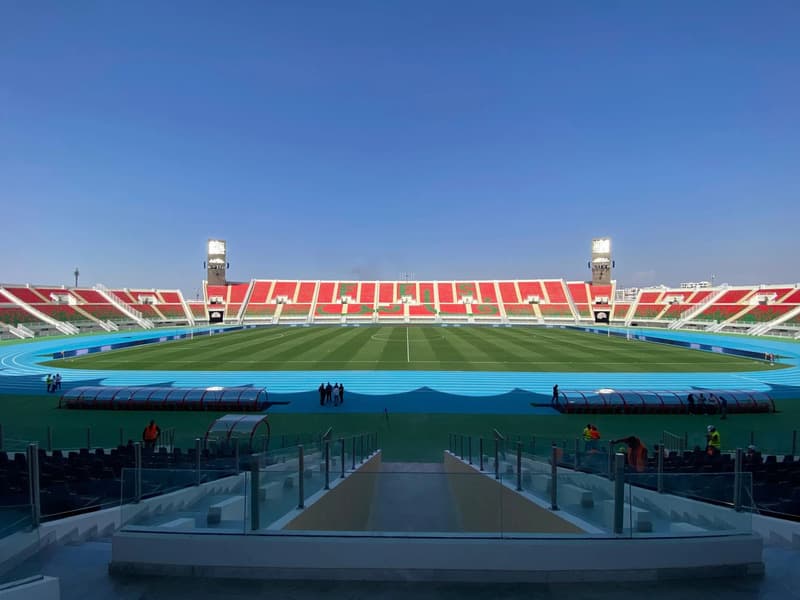
The Moroccan National Agency for Public Equipment (ANEP) has launched an international tender worth DH 2.81 bn to bring the Fès Sports Complex up to FIFA‑mandated sustainability standards ahead of the 2030 World Cup. The contract covers eco‑design, energy and water savings, low‑carbon materials and a circular‑economy waste plan, positioning the project as a benchmark for green stadiums in the region.
Listen to this article
Unlock audio versions of premium articles and more with a Pro subscription.
Project Overview
The Moroccan government, through the National Agency for Public Equipment (ANEP), has opened an international tender for the upgrade of the Fès Sports Complex. The contract, valued at DH 2.81 billion, is part of the broader preparations for Morocco’s co‑hosting of the 2030 FIFA World Cup with Spain and Portugal.
Sustainability Requirements
According to the special specifications, the new design must meet FIFA’s rigorous sustainability standards. The aim is to deliver a venue that not only supports a world‑class sporting event but also enhances environmental stewardship and community wellbeing.
- Eco‑design & biodiversity: Integration of green spaces, protection of local flora and fauna, and minimisation of land‑take.
- Energy efficiency: At least a 30 % reduction in consumption versus a standard design, achieved through LED lighting, high‑performance HVAC systems and an upgraded thermal envelope.
- Renewable energy: Generation of 5‑10 % of the facility’s power from solar or other renewable sources.
- Water savings: Minimum 40 % reduction in water use via low‑flow fixtures and rain‑water/grey‑water recycling for irrigation and non‑potable needs.
- Low‑carbon materials: Use of low‑embodied‑carbon concrete, recycled steel reinforcement and bio‑based building products, with a preference for locally sourced supplies.
- Waste management: Circular‑economy approach requiring sorting, reuse, recycling or valorisation of all construction waste, with full traceability.
- Climate resilience: Design for extreme winds, seismic compliance with Moroccan standards, and robust drainage systems to cope with changing climate patterns.
Implementation Framework
Contractors will be required to appoint an environmental certification lead and to adhere to a “low‑impact construction” charter. This charter includes an erosion‑and‑sedimentation control plan, a waste‑handling strategy and an air‑quality management plan.
Broader Impact
Beyond the stadium itself, the project emphasises improved public‑transport access, pedestrian pathways and cycling routes, reinforcing the complex’s integration into the urban fabric of Fès. The upgrade is expected to stimulate the local construction sector, attract green‑technology suppliers and set a precedent for future public‑infrastructure projects across Morocco.