
Global Economy
G20 Finance Ministers to Tackle Global Growth, Debt Challenges, and Iran Sanctions at North Carolina Summit
The U.S. Treasury is pushing for a coordinated G20 accord to boost economic growth, reduce global imbalances, and tackle sovereign debt challenges during next week's high-stakes meeting in Asheville, North Carolina. Washington is also pressing member nations to cut off Iran's revenue streams amid escalating economic warfare in the Middle East.
Listen to this article
Unlock audio versions of premium articles and more with a Pro subscription.
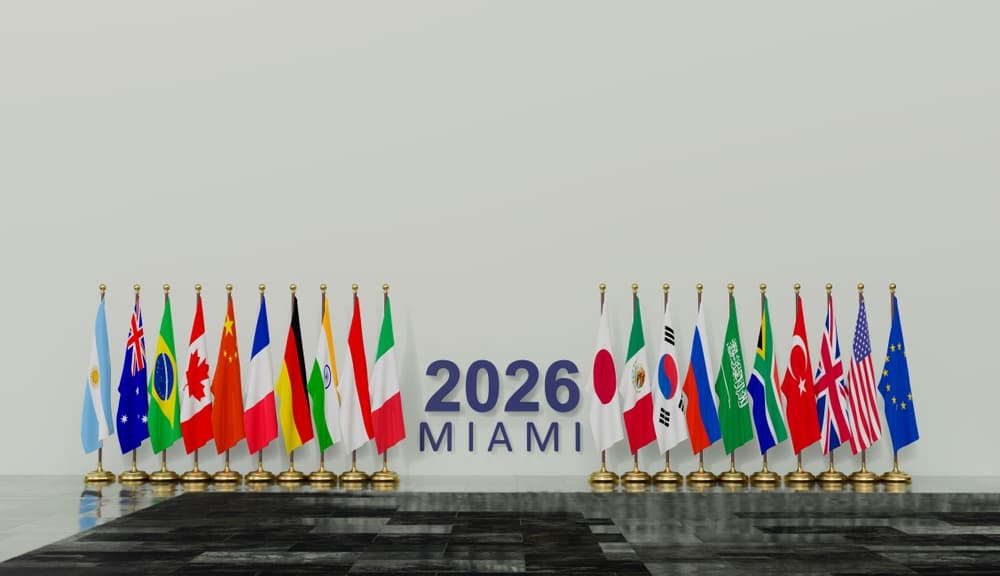
As global finance leaders prepare to gather in Asheville, North Carolina, the United States is positioning next week's G20 Finance Ministers meeting as a pivotal moment for coordinated action on economic growth, sovereign debt, and the intensifying economic pressure campaign against Iran.
Washington's Core Objectives for the G20 Finance Agenda
According to a senior U.S. Treasury official speaking on Thursday, the administration aims to secure a concrete agreement among G20 finance ministers on several critical fronts. The primary objectives include:
- Economic Growth Stimulation: Developing coordinated mechanisms to boost global economic output across member nations.
- Imbalance Reduction: Addressing persistent global economic imbalances that threaten long-term financial stability.
- Sovereign Debt Challenges: Creating frameworks to manage and resolve mounting sovereign debt pressures affecting multiple economies.
- Iran Revenue Isolation: Advancing collective action to sever Iran's financial lifelines through targeted sanctions enforcement.
Scott Bessent to Chair the High-Stakes Meeting
Treasury Secretary Scott Bessent will host finance ministers and central bank governors from the G20 nations on Monday and Tuesday. The choice of Asheville as the venue underscores the administration's intent to foster a collaborative atmosphere away from the usual financial centers.
The meeting comes at a critical juncture as the global economy continues to navigate post-pandemic recovery challenges, inflationary pressures, and escalating geopolitical tensions, particularly in the Middle East where the United States has intensified its economic campaign against Tehran.
Growing Pressure on Iran's Financial Networks
The push to cut off Iran's revenue sources represents a continuation of Washington's broader strategy to economically isolate the Islamic Republic. Recent weeks have seen heightened rhetoric and action, including a naval blockade impacting Iranian fuel imports and diplomatic efforts to enlist allies and China in the economic warfare campaign.
The G20 meeting provides a multilateral platform for the United States to formalize and broaden support for these sanctions among the world's largest economies.