
Global Economy
Lagarde Calls for Deep Economic Overhaul in Europe as Trump Threatens New Tariffs
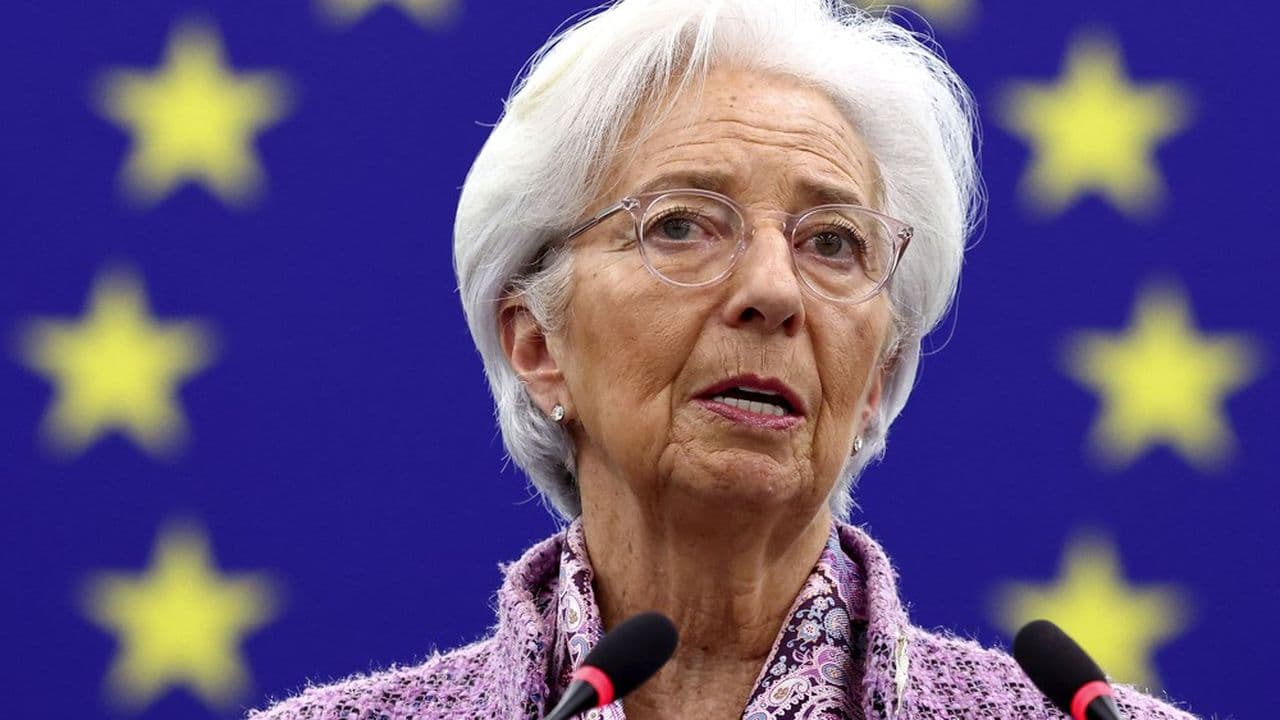
European Central Bank President Christine Lagarde warned on Wednesday that the EU must undertake a “deep revision” of its economic model as the United States, led by President Donald Trump, threatens to impose steep tariffs on key European goods. While she expects only a modest inflationary impact from the proposed duties, Lagarde stressed that the real danger lies in the heightened uncertainty and the need for Europe to remove non‑tariff barriers to stay competitive. The escalating trade rhetoric follows Trump’s recent announcement of a 200 % tax on French wine and champagne unless France joins his “Peace Council” initiative, and a broader warning of tariffs against countries opposing his Greenland acquisition plan.
Listen to this article
Unlock audio versions of premium articles and more with a Pro subscription.
Background: Growing US‑Europe Trade Tensions
President Donald Trump has once again turned his attention to Europe, threatening steep customs duties on a range of products. Over the weekend he warned that countries opposing his plan to acquire Greenland could face new tariffs, and on Monday he announced a 200 % levy on French wine and champagne unless France joins his self‑styled “Peace Council”.
Lagarde’s Call for a Deep Economic Revision
Speaking on RTL radio, ECB President Christine Lagarde said the continent is witnessing “a curtain‑rise on a new international order”. She argued that the EU must undertake a deep revision of its economic framework to navigate the growing geopolitical uncertainty.
Lagarde expects only a modest inflationary impact from the proposed US duties – inflation in the euro area remains well‑controlled at 1.9 %. The real risk, she warned, is the “degree of uncertainty created by these constant reversals”.
Trade Barriers Within the EU
Lagarde added that Europe would be considerably stronger if it eliminated non‑tariff barriers that still exist inside the single market. Removing such obstacles, she said, would help the bloc stay resilient in the face of external pressure.
Impact on Major Economies
The ECB president noted that the proposed duties would affect Germany more than France, reflecting the different exposure of each economy to US‑EU trade flows.
What Comes Next?
Analysts expect the ECB to monitor inflation closely while European policymakers debate ways to deepen market integration and streamline regulations. The ongoing diplomatic spat between Washington and Brussels could shape the economic outlook for the entire eurozone in the months ahead.