
Global Economy
Iran Claims Full Restoration of Arsenal After US-Israeli Strikes, Vows to Resist Economic Pressure
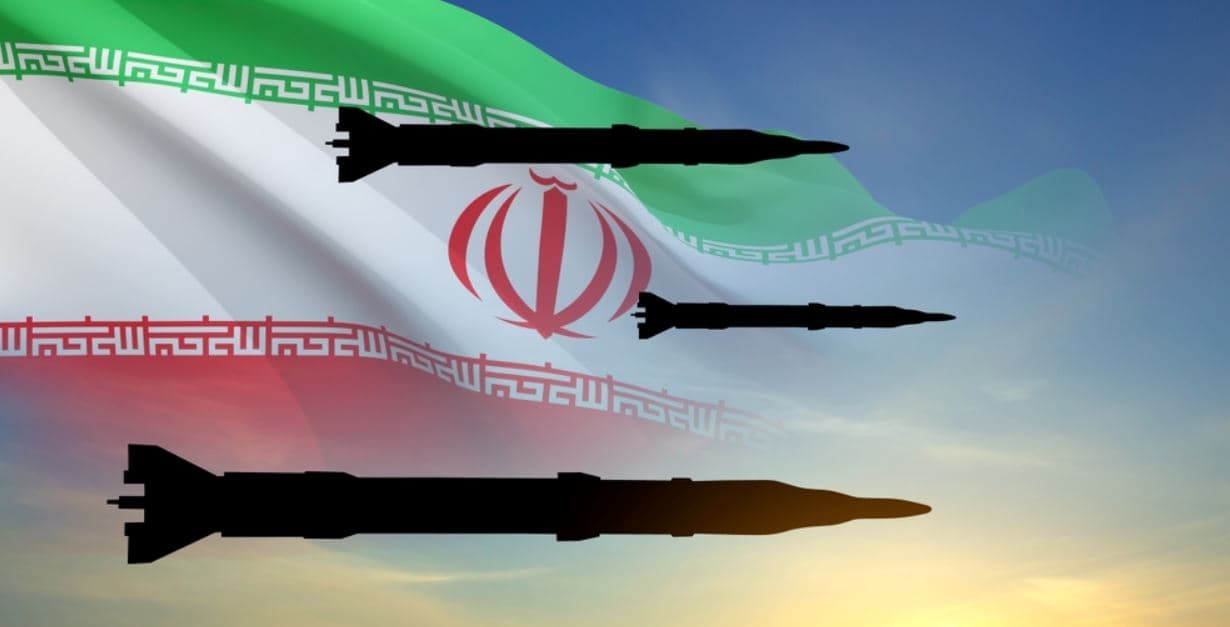
Iran's military announced on Wednesday that all weapon systems damaged during the recent Middle East war have been fully reconstructed, with new equipment also imported into the country. Army spokesman Mohammad Akraminia stated that domestic defense industries and foreign acquisitions have significantly strengthened Iran's combat capabilities. Meanwhile, President Massoud Pezeshkian dismissed US economic threats, asserting that Washington gained nothing from the war and will gain nothing from sanctions.
Listen to this article
Unlock audio versions of premium articles and more with a Pro subscription.
Iran's Military Rebound: A Message of Defiance
Iran's military leadership has made a bold declaration, asserting that the country has not only repaired all weapon systems damaged during the recent war but has also significantly expanded its arsenal. Speaking on state television, army spokesman Mohammad Akraminia confirmed that damaged systems across all branches of the armed forces have been fully restored, with additional advanced equipment flowing in from both domestic production and foreign sources.
"The systems of all forces that were damaged have been rebuilt, and new systems have also been imported," Akraminia stated, emphasizing that these additions have "strengthened our combat capabilities." His remarks signal a swift recovery for Iran's military infrastructure, which was targeted in joint US-Israeli strikes that ignited the broader Middle East conflict in late February.
From Cease-Fire to Continued Tensions
The conflict, which lasted nearly 40 days of intense bombardment, was officially paused in April through a cease-fire agreement. However, sporadic attacks—particularly around the strategically vital Strait of Hormuz—have continued to undermine hopes for a lasting peace deal. The strait remains a critical chokepoint for global oil shipments, making any instability in the region a matter of international concern.
Akraminia also weighed in on the legal framework surrounding military action, noting that "a preventive attack, grounded in international law and the UN Charter, is a legitimate action—provided it respects the principles of proportionality and necessity." His comments appear aimed at justifying Iran's own military posture while subtly critiquing the initial strikes by the US and Israel.
Pezeshkian Pushes Back Against US Economic Warfare
In a separate but related development, Iranian President Massoud Pezeshkian took direct aim at Washington's economic strategy. Responding to threats from US Treasury Secretary Scott Bessent, who warned of "economic asphyxiation" against the Islamic Republic, Pezeshkian was unequivocal: the US will achieve "nothing" through its latest round of economic pressure.
"The United States will gain nothing from their economic pressure at this stage, just as they gained nothing during the war," Pezeshkian declared, though he acknowledged that Iran faces "many economic difficulties" stemming from decades of American and international sanctions. Bessent had previously cautioned, "We will hold each one accountable. This marks the economic asphyxiation of this regime. No one should test our resolve."
Implications for Global Markets
With Iran signaling a rapid military rebuild and a refusal to buckle under economic pressure, the prospect of renewed escalation in the Middle East remains elevated. Investors and policymakers alike will be watching closely as diplomatic efforts to secure a comprehensive peace agreement continue alongside ongoing tensions near the Strait of Hormuz.