
Global Economy
Saudi, Turkish and Pakistani Leaders Convene in Jeddah to Seal Defense Pact Amid Middle East War
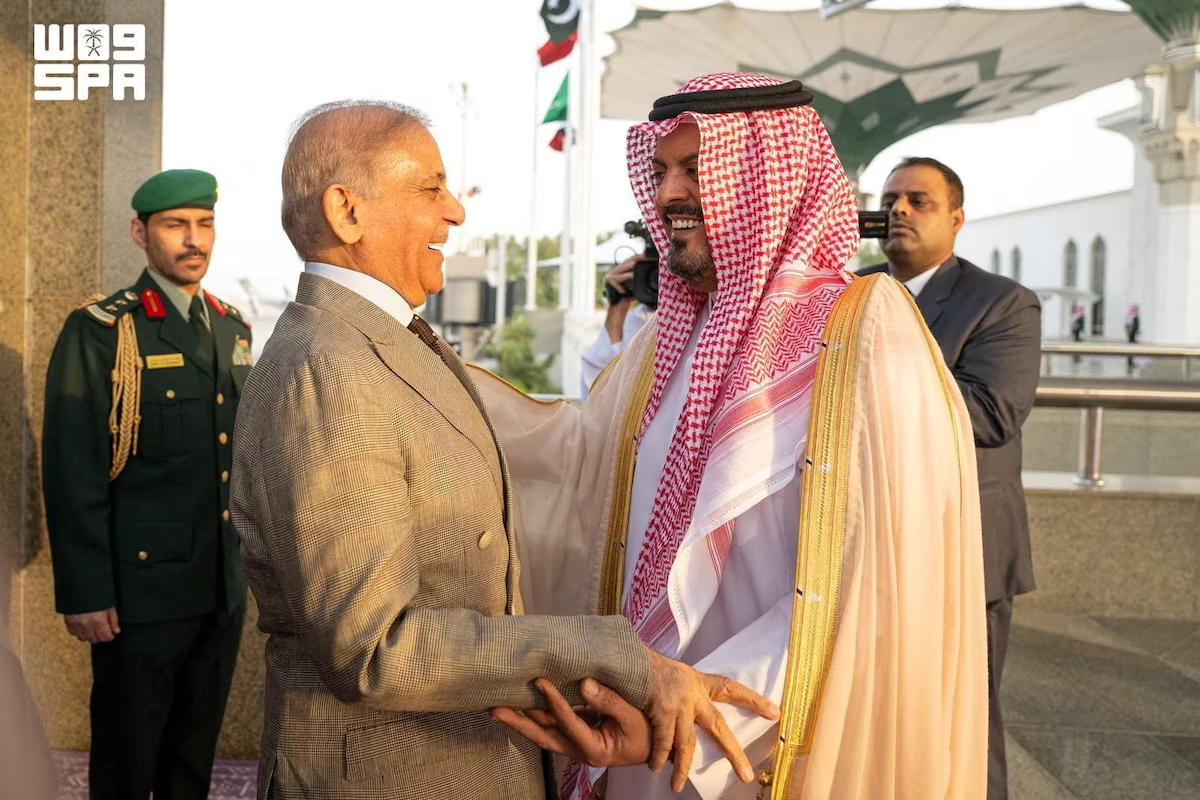
On August 7, 2026, Saudi Crown Prince Mohammed bin Salman hosted Turkish President Recep Tayyip Erdogan and Pakistani Prime Minister Shehbaz Sharif in Jeddah. The three Sunni‑majority states are expected to sign a mutual defence agreement as the war in the Middle East drags on, with the strategic Strait of Hormuz and renewed Yemeni Houthi attacks adding to regional volatility. The summit comes after limited diplomatic progress between Tehran and Washington and follows a recent Saudi‑Pakistan defence pact signed in September. Analysts see the meeting as a signal of deeper security cooperation, but the broader impact on oil markets and global risk sentiment remains uncertain.
Listen to this article
Unlock audio versions of premium articles and more with a Pro subscription.
Jeddah Summit Overview
On Friday, August 7, 2026, Saudi Crown Prince Mohammed bin Salman hosted a high‑level meeting in Jeddah with Turkish President Recep Tayyip Erdogan and Pakistani Prime Minister Shehbaz Sharif. The three Sunni‑majority nations are set to formalise a mutual defence pact amid the ongoing Middle‑East war.
Key Participants
- Saudi Arabia – Crown Prince and de‑facto leader.
- Turkey – President Recep Tayyip Erdogan, NATO member.
- Pakistan – Prime Minister Shehbaz Sharif, accompanied by Army Chief Marshal Asim Munir.
Agenda and Expected Outcomes
While the exact agenda was not disclosed, Saudi and Pakistani officials told AFP that a mutual defence agreement will be signed with Turkey. A senior Saudi military source said the recent regional escalations have accelerated the talks.
Background on Defence Ties
Saudi Arabia and Pakistan already signed a defence cooperation treaty in September 2025, reflecting a long‑standing military partnership. The pact has drawn attention because Pakistan possesses nuclear weapons.
Earlier this year, a Saudi military insider indicated that, despite discussions, Turkey would not join the Saudi‑Pakistan defence pact because of its NATO commitments.
Strategic Context: Strait of Hormuz
The summit arrives as the strategic Strait of Hormuz remains blocked, with limited diplomatic breakthroughs between Tehran and Washington. In January, Iran announced a new transit route for vessels in cooperation with Oman, but full reopening hinges on U.S. policy.
U.S. President Donald Trump hinted that talks on the matter were progressing well, although Tehran denied any direct negotiations with Washington.
Yemen Front – New Houthi Attacks
Simultaneously, Saudi Arabia faced a fresh wave of attacks from Yemeni Houthi rebels, resulting in eleven civilian injuries. The conflict, which has simmered since 2022, escalated after the broader Iran‑U.S. confrontation intensified in July.
Houthi forces have imposed a blockade on Saudi ships in the Red Sea, threatening Red Sea trade routes. On Thursday, they killed at least 58 Yemeni soldiers—the deadliest strike since the cease‑fire.
Implications for Markets
The meeting underscores growing security collaboration in a volatile region. While the defence pact could stabilise diplomatic channels, the unresolved tension over the Strait of Hormuz and renewed Yemeni violence keep oil‑related market risks elevated.