
Global Economy
Trump Signals Potential Iran Deal as Tehran Warns Forces Remain Combat-Ready
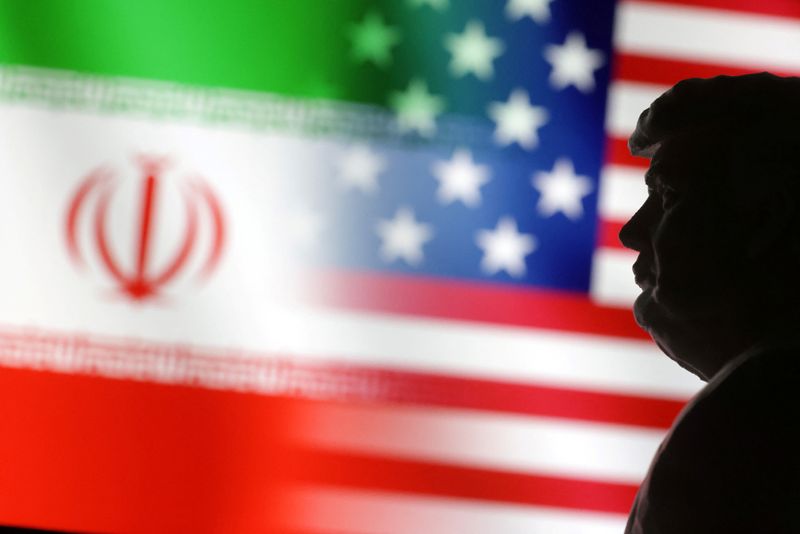
Diplomatic signals between Washington and Tehran suggest a possible de-escalation in Middle East tensions, though both sides maintain hardline positions. Former President Donald Trump indicated Monday that an agreement with Iran could materialize, citing falling oil prices as evidence of reduced war fears. However, Iran's chief negotiator countered Tuesday by emphasizing the Islamic Republic's military readiness while placing responsibility on the United States to prevent further conflict.
Listen to this article
Unlock audio versions of premium articles and more with a Pro subscription.
The geopolitical landscape between the United States and Iran appears to be shifting, with diplomatic overtures emerging after days of escalating military threats. On Monday, Donald Trump suggested that a breakthrough agreement with Tehran could be within reach, pointing to declining oil prices as market confirmation that investors expect tensions to ease.
"Oil prices are dropping like stones... because people sense there won't be a war with Iran. Iran wants a deal, as quickly as possible. This could happen!" Trump wrote on his Truth Social platform, striking a notably conciliatory tone ahead of the U.S. midterm elections.
Iran Maintains Military Posture Despite Diplomatic Openings
Despite these optimistic signals from Washington, Tehran delivered a stark reminder Tuesday that its military forces remain on high alert. Mohammad Bagher Ghalibaf, Iran's chief negotiator, addressed the nation via state television with a clear warning.
"Regional countries must understand that the Islamic Republic of Iran stands ready for combat, finger on the trigger," Ghalibaf declared, emphasizing that while diplomatic channels remain open, military preparedness has not diminished.
He added that "the ball is now in the United States' court to avoid war," effectively placing responsibility for de-escalation on Washington while maintaining Iran's defensive posture.
From Threats to Negotiation: A Rapid Diplomatic Shift
The statements follow a volatile weekend during which Trump issued renewed threats against Iranian nuclear facilities, suggesting he was prepared to deliver a "crushing blow" to the Islamic Republic. The sudden pivot to more conciliatory language Monday signals the fluid nature of the current diplomatic situation.
U.S. Vice President JD Vance echoed the optimistic sentiment, stating he was "rather optimistic" about reaching a negotiated settlement, though he declined to provide any specific timeline for potential breakthroughs.
On the Iranian side, Foreign Minister Abbas Araghchi confirmed Monday that diplomatic exchanges have intensified significantly, with Qatar and Pakistan playing crucial mediating roles to prevent hostilities from resuming.
Strait of Hormuz Reopening at Center of Talks
Central to the ongoing negotiations is the reopening of the Strait of Hormuz, a critical chokepoint for global hydrocarbon trade. Tehran has indicated willingness to reduce the reopening timeline from seven days to just two days, demonstrating flexibility on operational matters.
However, Iran maintains several firm conditions for any comprehensive agreement, including:
- A regional ceasefire across multiple conflict zones
- Complete lifting of oil export sanctions
- Removal of the U.S. blockade on Iranian ports
- Security guarantees for maritime commerce
Oil Markets React to Diplomatic Signals
Global oil markets responded dramatically to the diplomatic developments. On Monday, Brent crude plummeted 7.64% to $104.77 per barrel as investors recalibrated their risk assessments regarding potential supply disruptions.
The sharp decline reflects market confidence that diplomatic progress could alleviate concerns about energy supply security that have dominated trading since the conflict escalated on February 28 with Israeli-American strikes against Iranian targets.
Fundamental Differences Remain Despite Softer Rhetoric
While both capitals have adopted more measured tones, significant gaps persist between American and Iranian negotiating positions. The conflict, which began in late February, continues to disrupt petroleum exports and maritime traffic throughout the Persian Gulf region.
The recent statements from both governments suggest diplomatic channels remain active and that dialogue could potentially resume. However, persistent military tensions and uncertainty surrounding the specific terms of any potential agreement mean that the situation remains highly fluid and could shift rapidly in either direction.
As markets and regional powers watch closely, the coming days will reveal whether this diplomatic opening represents a genuine path toward de-escalation or merely a temporary pause in an ongoing confrontation between two longtime adversaries.