
Stocks Market
AfDB Approves €270 Million Loan to Boost Morocco's Airport Infrastructure
The African Development Bank has committed €270 million to Morocco's National Airports Office (ONDA) to fund a comprehensive airport expansion and modernization program. The financing, guaranteed by Tamwilcom, will support capacity increases at key airports including Marrakech, Agadir, Fes, and Tangier, while upgrading air navigation systems and security infrastructure. This investment aligns with Morocco's Tourism Vision 2030 and positions the kingdom as a strategic aviation hub connecting Africa, Europe, and beyond.
Listen to this article
Unlock audio versions of premium articles and more with a Pro subscription.
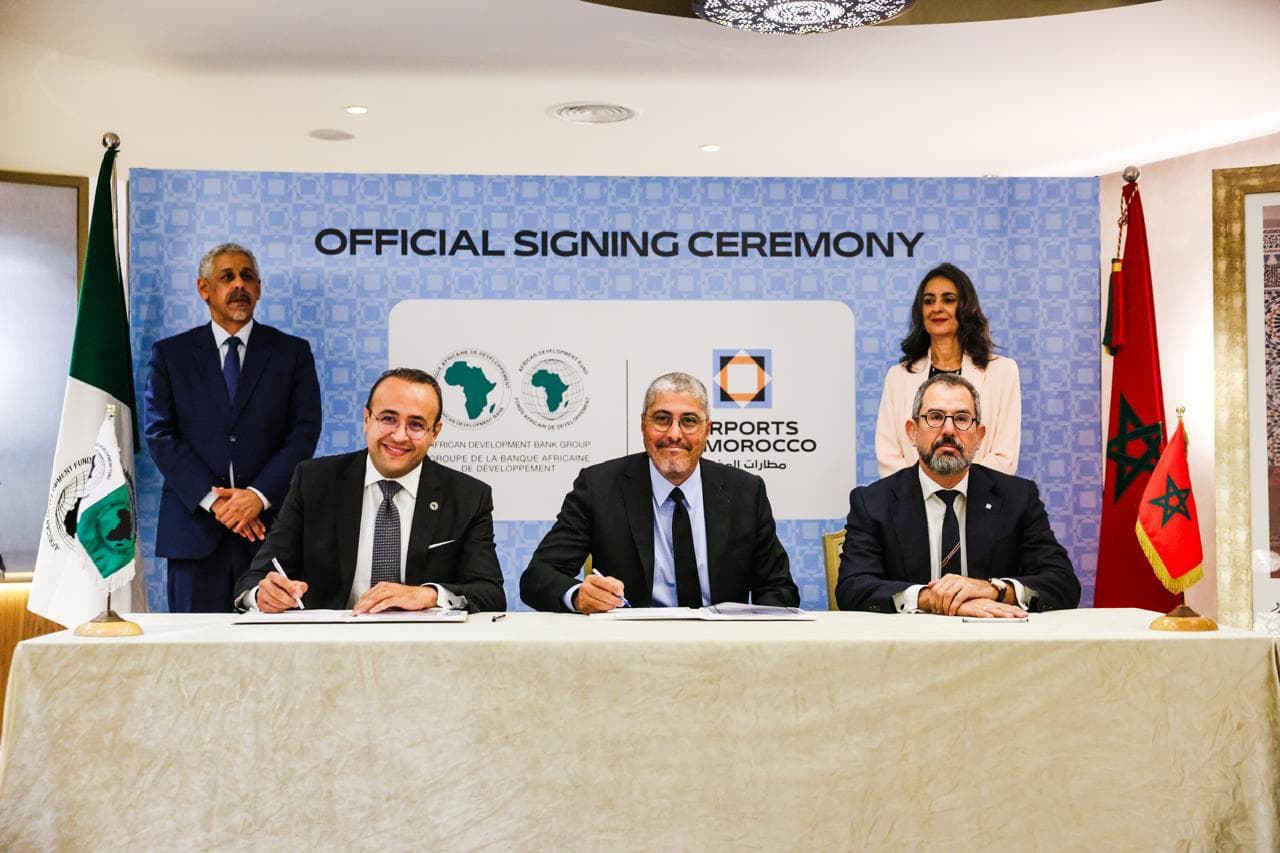
The African Development Bank (AfDB) has signed a landmark €270 million financing agreement with Morocco's National Airports Office (ONDA) to support the Airport Infrastructure Extension and Modernization Program (PEMIA). The agreement was formalized during a ceremony in Casablanca on Tuesday, presided over by AfDB Group President Dr. Sidi Ould Tah and Morocco's Minister of Economy and Finance, Nadia Fettah.
The financing deal was executed by Achraf Tarsim, AfDB's Country Manager for Morocco, and Adel El Fakir, Director General of ONDA, with Saïd Jabrani, Director General of Tamwilcom—the national financial institution guaranteeing the operation—in attendance.
Strategic Investment in Aviation Infrastructure
"Through this €270 million loan to the National Airports Office, the African Development Bank is supporting Morocco's ambition to modernize and expand its airport capacities, particularly in strategic hubs such as Marrakech, Agadir, Fes, and Tangier," stated Dr. Sidi Ould Tah. "The Bank is also contributing to Morocco's preparations for major international events."
He emphasized that the operation aligns with the continental momentum driven by the AfDB through its Integrated Africa Aviation Transformation Program (IATP), which aims to assist African states in modernizing, financing, and integrating their air transport systems to build a safer, more competitive, sustainable, and better-connected sector.
Minister Nadia Fettah highlighted the AfDB's consistent support: "There is no major reform or large project that has not been financed by the AfDB. I thank the institution for its involvement, particularly in the airport sector."
Comprehensive Modernization Program
The PEMIA program represents a major milestone in transforming Morocco's airport sector, supporting the kingdom's ambitions to strengthen its position as a leading aviation hub connecting Africa, Europe, and the rest of the world. Aligned with the AfDB's High 5 operational priorities and Morocco's strategic objectives, the project supports implementation of the kingdom's "Tourism Vision 2030."
The program aims to sustainably enhance the competitiveness of Moroccan air transport through modernization and expansion of the country's main airport platforms. It will increase operational capacities through infrastructure upgrades, extension of air navigation systems, and reinforcement of safety and security measures.
State-of-the-Art Technology and Passenger Experience
These investments will equip airports with cutting-edge security equipment, automated baggage handling systems, and digital solutions designed to streamline passenger journeys and enhance their travel experience. These improvements will deliver safer, faster, and more comfortable services that meet the most demanding international standards.
Given the sustained growth in passenger and freight traffic expected over the coming years, the project will prepare Morocco's airport infrastructure for the kingdom's future mobility and connectivity needs.
Capacity Expansion Targets
By 2030, the program will increase reception capacities to 14 million passengers in Marrakech, five million in Agadir, 3.6 million in Tangier, and three million in Fes. These investments will consolidate Morocco's position as a regional aviation hub.
Economic and Social Impact
Beyond infrastructure modernization, the program is expected to generate significant economic and social benefits. In the short term, it will strengthen airport operational safety and create thousands of jobs, particularly for youth and women. Over the medium term, it will foster tourism development, trade, and logistics activities while stimulating public and private investments associated with the air transport sector.