
Global Economy
Morocco's 2027 Budget Allocates Record MAD 19.4B for Consumer Subsidies Amid Energy Cost Pressures
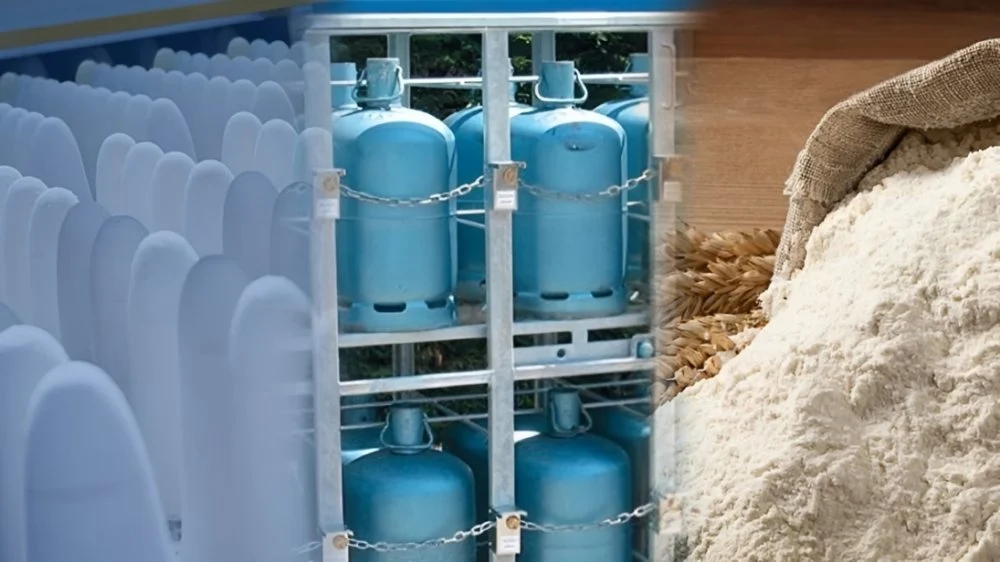
The Moroccan government's 2027 Draft Finance Bill (PLF) earmarks MAD 19.4 billion for the Compensation Fund, a significant increase from previous years, to maintain subsidies on butane gas, sugar, and soft wheat flour. This 41% jump from the initial 2026 allocation reflects persistent pressure from international energy markets, with the state subsidy per 12kg butane bottle surging 15.75% year-on-year to MAD 61.79 in the first eight months of 2026. The revised 2026 budget had already been lifted to MAD 22 billion to cover rising butane costs and transport sector aid.
Listen to this article
Unlock audio versions of premium articles and more with a Pro subscription.
Rabat – Morocco's 2027 Draft Finance Bill (PLF 2027) unveils a substantial MAD 19.4 billion allocation for the Compensation Fund, underscoring the state's continued commitment to shielding household purchasing power from volatile global commodity prices.
Sharp Increase in Subsidy Envelope
The earmarked amount represents a notable escalation from the initial allocations of previous years: MAD 16.35 billion in 2024, MAD 16.54 billion in 2025, and an initial MAD 13.77 billion for 2026. Notably, the 2026 budget was subsequently revised upward to MAD 22 billion via a supplementary finance law, driven primarily by the surging cost of butane gas subsidies and targeted support for road transport operators.
Butane Remains Primary Cost Driver
Data from the first eight months of 2026 reveals the butane subsidy remains the heaviest component. The average state support per 12kg cylinder reached MAD 61.79, marking a 15.75% year-on-year increase. This spike occurs against a backdrop of ongoing tensions in international energy markets, keeping import costs elevated.
Strategic Staples Covered
- Butane Gas: Critical for household cooking and heating.
- Sugar: Essential food staple.
- National Soft Wheat Flour: Key input for bread, a dietary cornerstone.
The government maintains that the compensation mechanism remains the most effective tool to ensure price stability for these essential goods, preventing pass-through inflation to vulnerable populations.
Fiscal Context
While the increased allocation demonstrates social protection priorities, it also highlights the fiscal rigidity imposed by exogenous energy shocks. Analysts will monitor whether the 2027 figure holds or requires further revision, as seen in 2026, depending on the trajectory of global hydrocarbon prices and the Dirham's exchange rate.