
Global Economy
Nvidia Launches Internal Probe After Chinese Espionage Allegations Target CEO Jensen Huang
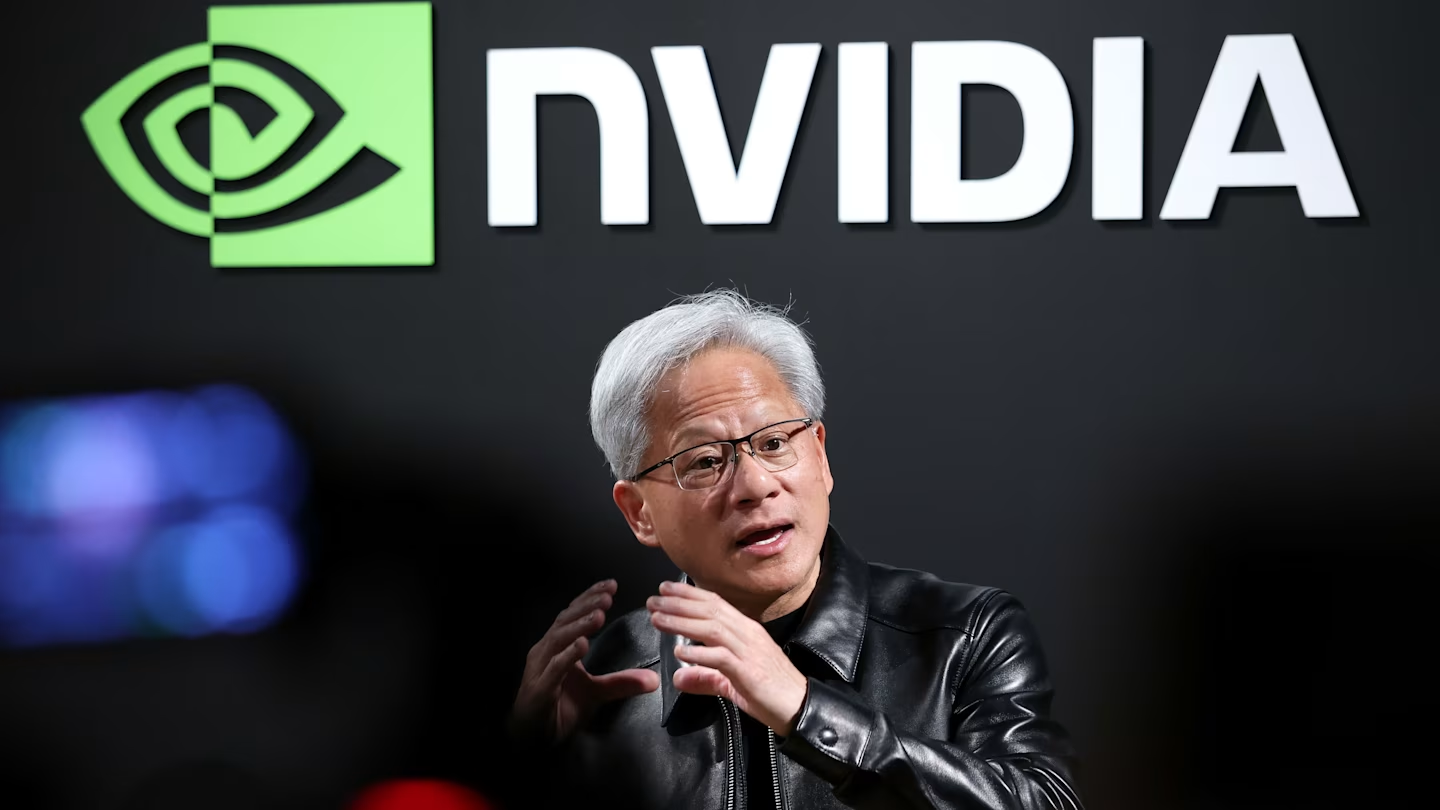
Nvidia's board of directors has initiated an independent investigation following media reports suggesting Chinese intelligence operations targeted founder and CEO Jensen Huang. The semiconductor giant's board emphasized its confidence in leadership while acknowledging the gravity of foreign intelligence concerns. The probe comes after reports linked a Singapore-based company executive to alleged intelligence activities and unauthorized chip diversions to China, raising national security questions for the AI chip leader.
Listen to this article
Unlock audio versions of premium articles and more with a Pro subscription.
In a significant development for the semiconductor industry, Nvidia Corporation announced Sunday that its board of directors is launching an independent investigation into allegations of foreign intelligence operations targeting CEO and founder Jensen Huang.
Board Initiates Comprehensive Review
The board's decision follows recent media coverage indicating that Huang became the focus of suspected foreign intelligence efforts. While the official statement did not specify the country of origin, the investigation comes amid heightened scrutiny of international technology transfers and espionage concerns.
"The board has confidence in Jensen and his management team," the company stated, adding that Huang "fully supports this review and has committed to cooperate." The announcement underscores the company's commitment to addressing potential national security implications head-on.
National Security Takes Center Stage
Nvidia's board emphasized that U.S. national and economic security remains paramount to the company's interests and those of its shareholders. A committee of independent directors, supported by external legal counsel, will oversee the investigation to ensure objectivity and thoroughness.
"While the board has no reason to believe that national security or Nvidia's proprietary information has been compromised, the board's investigation will examine all available information," the statement clarified. The company pledged to provide updates when appropriate.
Background: The Singapore Connection
The investigation was prompted by a late October New York Times report detailing alleged intelligence activities. The article identified Alice Huang, an executive at Singapore-based firm Megaspeed (no relation to Nvidia's CEO), as a person of interest to U.S. intelligence agencies. She was suspected of operating as a Chinese intelligence agent and cultivating a close relationship with Jensen Huang.
According to the report, which cited anonymous sources familiar with the matter, Megaspeed is suspected of diverting advanced Nvidia AI chips to China, circumventing export controls designed to limit Beijing's access to cutting-edge semiconductor technology.
International Responses and Political Implications
Beijing swiftly dismissed the allegations as "unfounded speculation," while then-President Donald Trump publicly supported the "brilliant" Nvidia CEO. Trump indicated the matter would be examined "very closely," noting that Huang served as an AI advisor to his administration.
The controversy gained additional complexity given Huang's participation in Trump's delegation during a May visit to Beijing for meetings with Chinese President Xi Jinping, highlighting the delicate balance between business interests and geopolitical tensions.
Nvidia Tightens China-Related Business Controls
Earlier in the week, the Financial Times reported that Nvidia had directed its data center partners to restrict activities with Chinese clients. According to five sources familiar with the matter, cloud service customers must now sell at least 51% of their services to non-Chinese companies, representing a significant shift in the company's commercial approach to managing compliance and security risks.
This policy change reflects growing pressure on U.S. technology companies to balance global business operations with national security imperatives, particularly regarding advanced AI chip technology that could have military applications.